

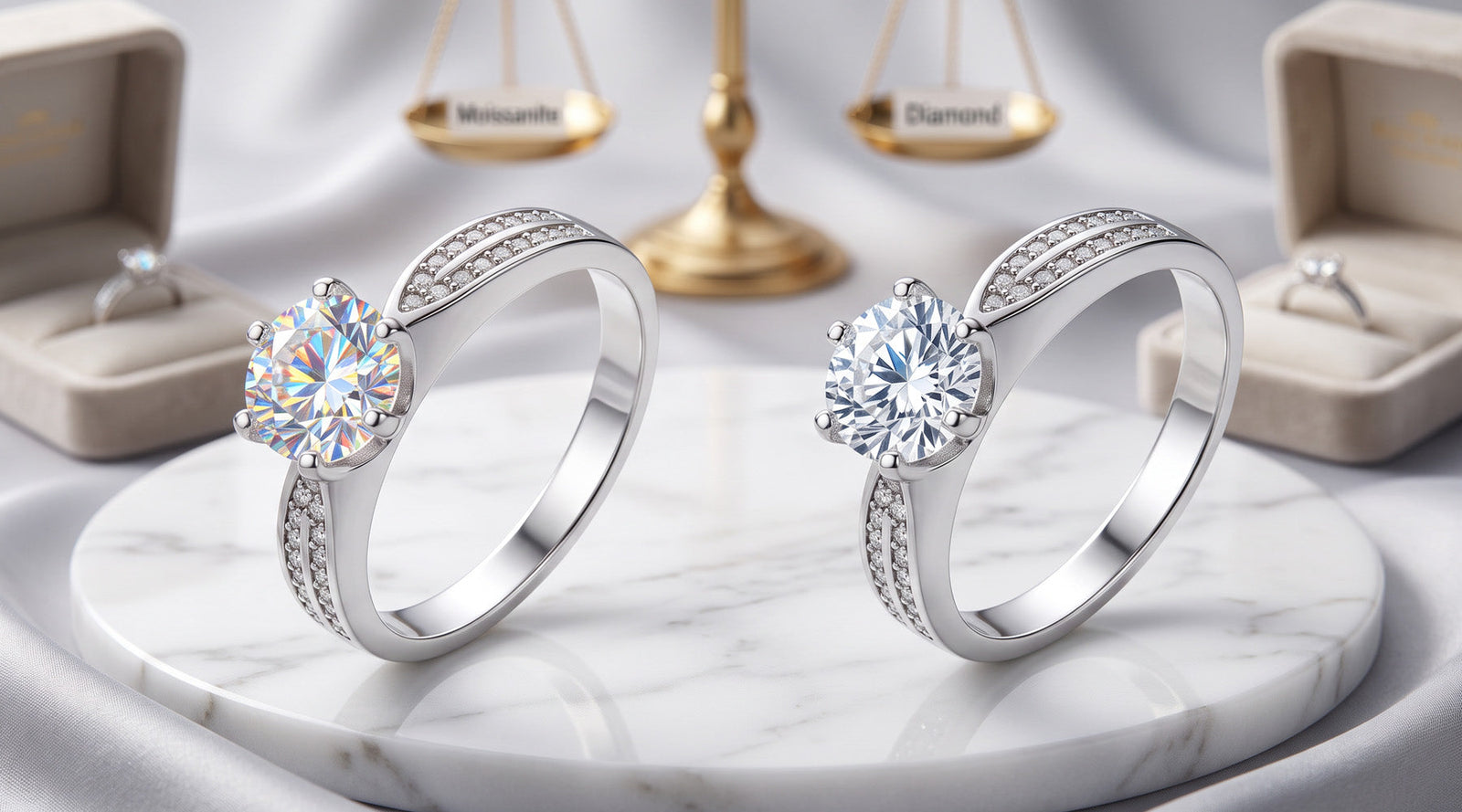

Moissanite vs Diamond Rings: Which Should You Choose?
A ring can mark a proposal, an anniversary, a big birthday or simply a new chapter in your own style. That is why the choice between moissanite vs diamond rings is about more than what looks brightest under the lights. It is about how you want the ring to feel, wear and fit into your budget long after the moment you open the box.
Both stones can deliver serious sparkle. Both are suitable for jewellery designed to be worn often. The better choice depends on whether you value traditional rarity, maximum size for your spend, a particular kind of brilliance, or a mix of all three.
Moissanite vs diamond rings at a glance
Diamonds are made from carbon and are known for their natural hardness, lasting symbolism and classic appeal. They can be mined or grown in a laboratory, but both have the same essential chemical structure. Their value is often judged using the familiar four Cs: cut, colour, clarity and carat weight.
Moissanite is a different gemstone, made from silicon carbide. Natural moissanite is exceptionally rare, so the moissanite used in modern rings is created in laboratories. It is not a diamond imitation in the sense of being glass or cubic zirconia. It is its own hard, high-performing gemstone with a noticeably different sparkle.
At a quick glance, especially in a well-made ring, many people will see a beautifully bright centre stone rather than immediately identify which gemstone it is. Look closer, though, and the differences matter.
Sparkle: crisp brilliance or rainbow fire?
Diamond sparkle is usually described as balanced and crisp. A well-cut diamond reflects white light beautifully, with flashes of colour that feel refined and familiar. It is the look many people picture when they think of a classic engagement ring.
Moissanite has more fire, meaning it splits light into stronger rainbow flashes. In daylight, restaurant lighting or on a night out, it can look incredibly lively. Some shoppers love that bold, head-turning effect. Others prefer the quieter, more traditional light performance of a diamond.
Stone size plays a part here. The larger the moissanite, the more obvious its colourful fire can become. If you love a big centre stone but want a slightly more diamond-like appearance, consider a well-proportioned design rather than simply choosing the largest possible stone. Oval, emerald, pear and round cuts all show light differently, so the cut is every bit as personal as the gemstone.
Durability for everyday wear
For a ring that will see school runs, commutes, gym bags, holidays and countless hand washes, durability counts.
Diamond scores 10 on the Mohs hardness scale, making it the hardest gemstone used in jewellery. Moissanite scores around 9.25, which is still exceptionally hard and more than capable of handling everyday wear. Neither stone is invincible: a hard knock can damage a setting, and diamonds can chip along certain weak crystal directions. Good craftsmanship and a secure setting matter just as much as the stone itself.
For most people, moissanite is an excellent practical choice for an engagement ring, eternity ring or statement piece worn daily. Keep either gemstone looking its best by taking rings off for heavy lifting, DIY, contact sports and cleaning with harsh chemicals. A soft brush, warm water and mild washing-up liquid will usually bring back the shine.
Price: where your budget can go further
The price difference is where moissanite becomes especially compelling. A moissanite centre stone can offer impressive size and sparkle for a fraction of the price of a comparable diamond. That can mean a larger look, a more detailed setting, matching wedding bands, engraving, or simply keeping more of your budget for the wedding, house deposit or next adventure.
Diamonds generally cost more because of their established market, grading criteria and perceived rarity. Natural diamonds sit at the premium end, while lab-grown diamonds can offer a lower-cost route to owning a diamond without sacrificing its chemical identity.
There is no universal right spend. A smaller diamond with sentimental significance can be perfect for one couple. For another, a sizeable moissanite ring feels more exciting, more achievable and far more in tune with their real-life priorities. A ring does not become more meaningful because it stretches your finances.
Value, resale and long-term expectations
It is worth being clear-eyed about resale value. Jewellery should be chosen primarily because you love wearing it, not as an investment plan. Retail prices, resale prices and insurance values are not the same thing for diamonds, moissanite or any other gemstone.
Diamonds often have stronger name recognition in the second-hand market, particularly certified stones of notable size and quality. But even diamonds may resell for much less than their original retail price. Moissanite usually has lower resale demand, which is unsurprising given its accessible purchase price and lab-created supply.
If future resale is a major priority, discuss certification, stone quality and documentation before purchasing. If your priority is getting a spectacular ring you can enjoy now, moissanite can be hard to beat for value.
Ethics and origin: ask better questions
Some shoppers choose moissanite because it is lab-created and avoids mining. That is a valid consideration, but the full picture is more nuanced. Manufacturing gemstones requires energy and materials, while mining practices vary greatly across regions and suppliers.
Lab-grown diamonds are also created rather than mined, offering another option for people who want a diamond with a laboratory origin. If provenance matters to you, ask clear questions about the source of the gemstone and metal, and choose a retailer that can explain what it sells without vague claims.
The most responsible purchase is often the one you will wear and treasure for years. Choosing a durable ring that suits your budget can help you buy with confidence rather than pressure.
Which ring suits your style?
A diamond often suits shoppers who want the heritage and recognisable symbolism of a traditional engagement ring. It works beautifully in understated solitaire settings, vintage-inspired designs and elegant eternity bands where a classic look is the main goal.
Moissanite is ideal if you want maximum visual impact without traditional diamond pricing. It shines in halo rings, bold solitaires, three-stone designs and modern statement settings. It also gives gift buyers more freedom to choose a standout design instead of compromising on size or detail.
The metal can shift the overall feel, too. Yellow gold brings warmth to either stone, white gold and platinum create a crisp contemporary finish, while rose gold gives a softer, romantic look. Try to picture the ring with your wardrobe and existing jewellery, not only in a product photo.
A practical way to choose
Start with the feeling you want when you look down at your hand. If it is classic, timeless and tied to the traditional diamond story, a diamond may be worth the extra spend. If it is bright, bold and brilliantly priced, moissanite could be exactly the answer.
Then decide your non-negotiables: your total budget, preferred stone shape, ring metal and whether you want room for a matching band or personalised engraving. Size correctly before ordering, especially for wider bands, and choose a retailer with straightforward exchanges and returns. Those details remove far more stress than chasing a perfect specification on paper.
At Rock Solid Rings, the aim is simple: make meaningful, high-impact jewellery easier to buy, whether your heart is set on a sparkling moissanite centre stone or a classic diamond look.
The best ring is the one that makes you excited to wear it on ordinary Tuesdays as much as it does on the day you receive it. Choose the stone that fits your story, then give yourself permission to enjoy the sparkle.
Also in Articles
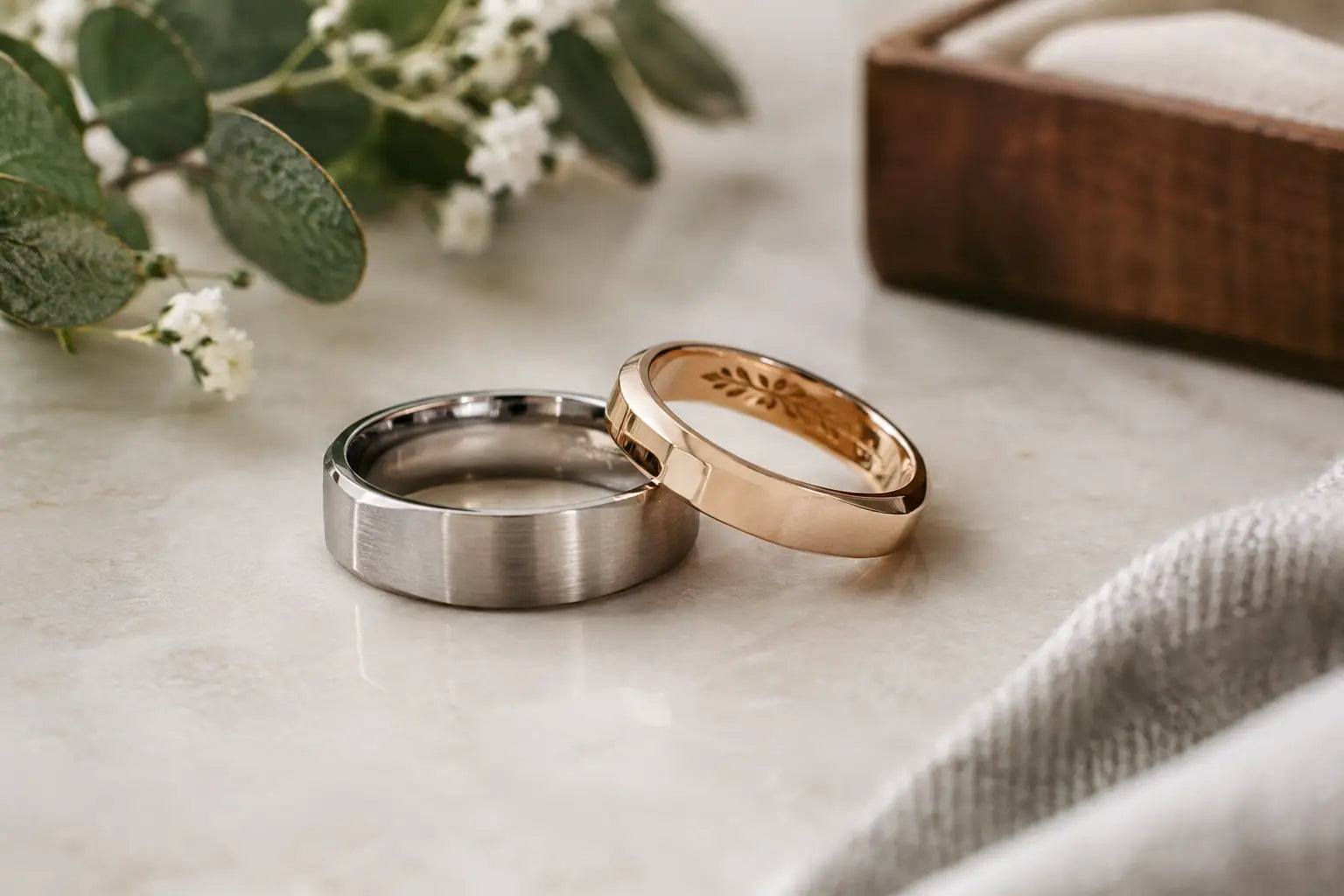

25 Couples Ring Engraving Ideas That Feel Personal
Find couples ring engraving ideas that turn wedding bands, promise rings and anniversary gifts into personal keepsakes, with smart tips on space and style.
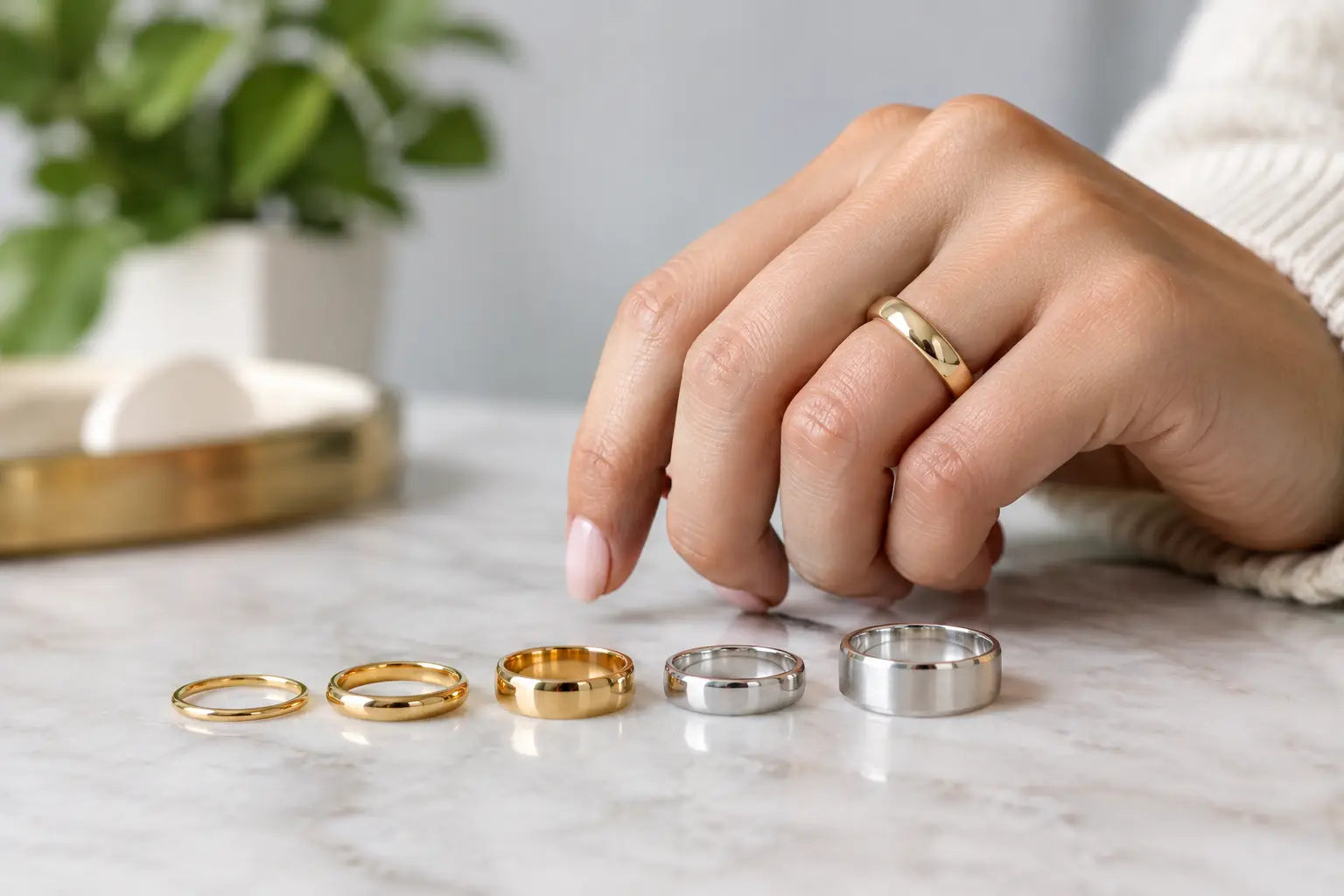

How to Select Ring Width That Looks Just Right
Learn how to select ring width for comfort, proportion and everyday style, from slim stacking bands to bold wedding rings that feel as good as they look.
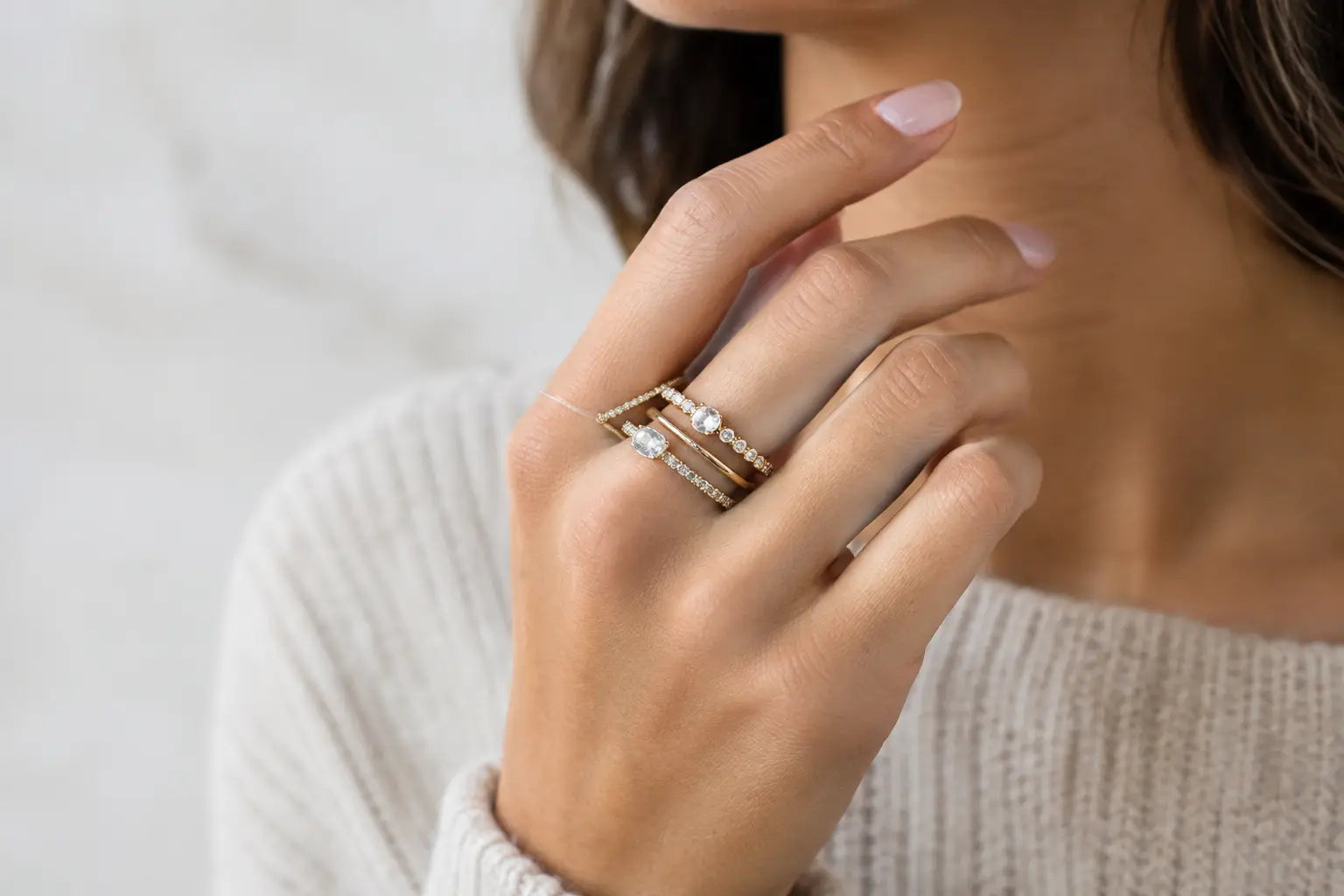

Ring Stacking Ideas That Look Effortlessly Put Together
Ring stacking made simple: choose shapes, metals and stones that feel personal, sit comfortably and look polished from weekday to wedding day with ease.
PayPal Pay Later Messaging
Step 1: Choose message placement
Click the button below and then hover over your page to select a placement.