


How to Select Ring Width That Looks Just Right
A ring can be the right size and still not feel right. The usual reason is width. Knowing how to select ring width helps you choose a band that suits your hand, your style and the way you plan to wear it, whether it is an everyday wedding ring, a personalised gift or a full-on statement piece.
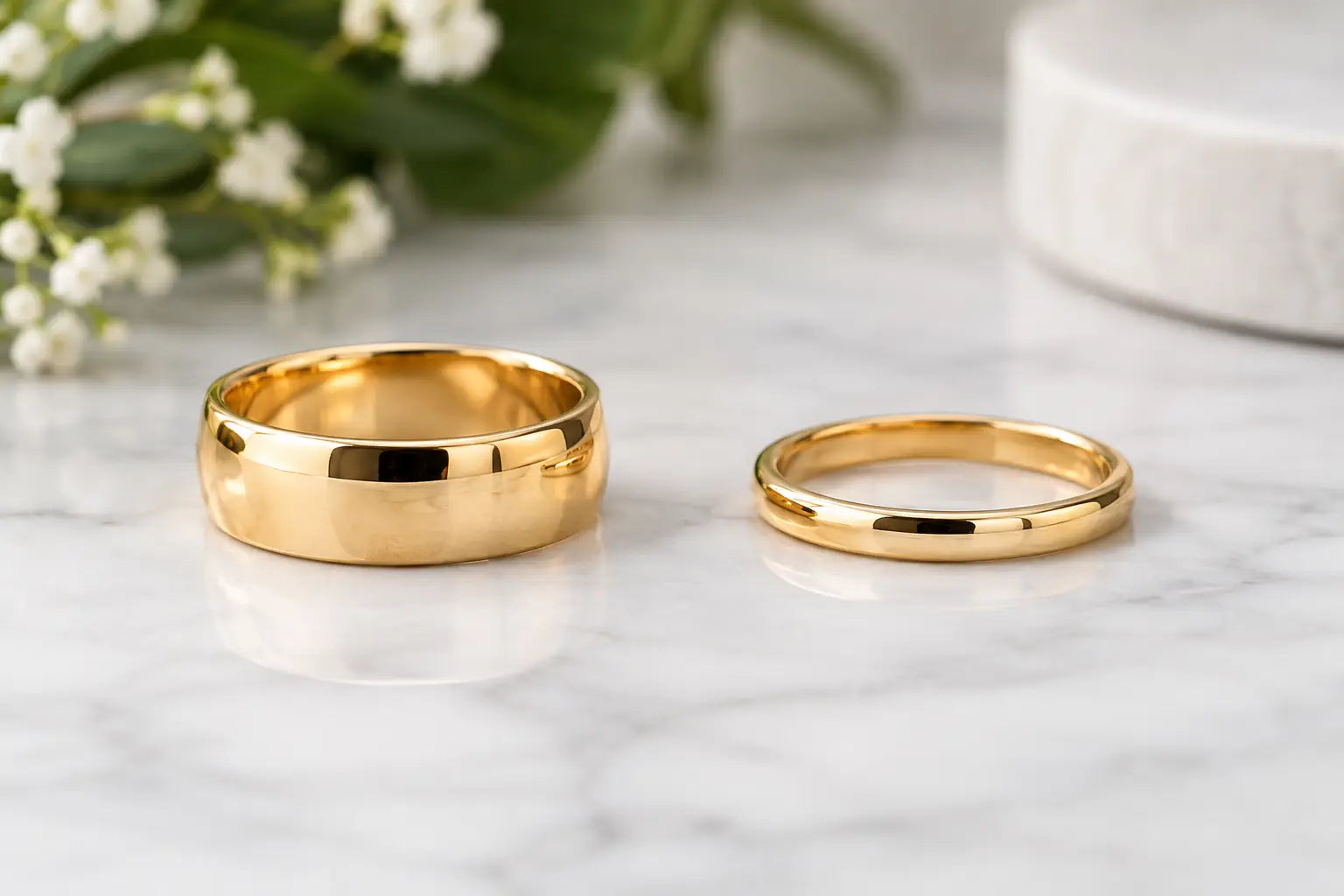
Width is the measurement across the face of the band, usually given in millimetres. A 2mm ring looks delicate and refined; an 8mm ring has real presence. Neither is automatically better. The best choice is the one that feels comfortable from morning to night and looks like it belongs on your hand.
Start with the feeling you want from your ring
Before getting caught up in measurements, think about the job your ring needs to do. A slim band can feel light, elegant and easy to stack. A wider band can feel substantial, confident and more traditionally masculine, although plenty of women love a bold width too. Style has no fixed rules here.
For a wedding band, the decision often comes down to whether you want your ring to quietly complement an engagement ring or hold its own as the main event. For an eternity ring, a narrower profile may sit more comfortably beside other jewellery. For wood inlay, opal or double-inlay styles, extra width gives those details more room to shine.
If you rarely wear jewellery, a medium-width band is often a reassuring place to start. It has enough presence to feel special without being a major adjustment on your finger.
How to select ring width by millimetres
There is no magic number, but these broad ranges make online shopping much easier.
Slim widths: 1.5mm to 3mm
Slim rings are light, understated and ideal for stacking. They are a popular choice for delicate wedding bands, eternity rings and sentimental pieces you plan to wear alongside other favourites. A 2mm band, for example, can add sparkle or a flash of colour without competing with an engagement ring.
The trade-off is visibility. Fine bands can look beautifully subtle, but may feel too slight if you want your ring to be noticed from across the room. They also leave less space for wide engraving, detailed inlays or larger stones.
Medium widths: 4mm to 6mm
This is the versatile middle ground. A 4mm ring can look sleek and polished on most hands, while 5mm and 6mm bands offer a more noticeable, modern finish. These widths work brilliantly for plain wedding rings, moissanite styles, scratch-proof bands and personalised designs.
Medium widths suit shoppers who want one ring to do everything: smart enough for a celebration, practical enough for daily wear and substantial enough to feel like a proper piece of jewellery. If you are buying a surprise gift and are unsure of the recipient's preference, this range is usually the safest starting point.
Wide widths: 7mm to 10mm and beyond
Wide bands are for making an entrance. They suit bold black rings, brushed metals, wide wood inlays and designs with striking colour contrast. A 8mm wedding band is a classic choice for anyone who likes a stronger look, while 10mm and wider rings bring serious statement style.
A wider ring covers more of the finger, so it can feel tighter than a narrow band in the same size. It may also take a little longer to get used to if you work with your hands, play sport or simply prefer barely-there jewellery. That does not mean wide rings are uncomfortable. It means getting the size right matters even more.
Let your hand shape guide the choice, not dictate it
Longer fingers can carry a wide band beautifully, especially when the design has a clean, horizontal profile. Wider styles can also create a balanced look on larger hands. On shorter or petite fingers, narrow and medium bands often create a longer, lighter appearance.
But proportion is a guide, not a restriction. A petite hand can look incredible with a chunky 8mm opal ring if that is the look you love. Equally, a larger hand can make a slim polished band look sharp and intentional. Try to choose based on the effect you want rather than a rule that says what you are “supposed” to wear.
Your knuckles are worth considering too. If your knuckles are wider than the base of your finger, a broader band needs to pass over more skin as you put it on and take it off. A comfort-fit interior can make a noticeable difference, as can checking your size at the time of day your fingers are most naturally settled.
Match the width to your ring stack
If you are pairing a wedding band with an engagement ring, look at both rings together. A very wide wedding ring next to a fine engagement band can create a dramatic contrast. That may be exactly what you want, but it is worth choosing deliberately.
For a balanced pairing, many people choose a wedding band that is similar in width to the engagement ring's shank. A 2mm engagement ring often sits naturally with a 2mm or 3mm wedding band, while a 4mm setting can support a fuller band. Curved or shaped designs can help the rings sit close together, though the overall width still affects how the stack feels.
Stacking several rings changes the calculation. Three 2mm bands can cover as much finger space as one 6mm ring, but they move independently and can feel different during the day. If you love switching up your look, slim stackers offer flexibility. If you want one fuss-free ring, a single medium or wide band may suit you better.
Consider the design, not just the number
Two rings with the same listed width can look completely different. A flat-edged 6mm band appears broader and more graphic than a 6mm domed band, which reflects light softly and can seem slimmer at the edges. Dark finishes, such as black tungsten, often look bolder than highly polished silver-tone finishes at the same width.
Inlays need room to be seen. Wood, crushed opal and coloured details are often more impressive in a 6mm, 8mm or wider design, where the pattern has space to show off. If you are choosing engraving, check how much of the band is available on the inside. A wider ring can accommodate a longer message or a more legible font, although a short date or initials work beautifully in almost any width.
Stone-set rings bring another consideration. A fine eternity band delivers continuous sparkle without overwhelming the hand. A wider stone-set ring looks glamorous and high-impact, but may be better saved for occasions if you prefer a low-profile everyday feel.
Comfort is the deal-breaker
A ring should not pinch, spin constantly or make you aware of every movement of your hand. The wider the band, the more it touches your finger, so the fit becomes especially personal. Some people love the secure feel of an 8mm ring; others prefer the freedom of a 4mm band.
Try a simple test before ordering. Wrap a strip of paper around the base of your finger and mark widths of 2mm, 4mm, 6mm and 8mm. It will not replicate a finished ring, but it gives you a surprisingly useful view of how much finger space each option covers. Hold your hand at arm's length too. That is how other people will usually see the ring.
Measure at different times, particularly if your hands swell in warm weather or after exercise. Avoid sizing when your fingers are very cold, as they can be temporarily smaller. A free ring sizer takes the guesswork down another level, and it is particularly useful when choosing a wide wedding band or ordering a ring as a gift.
Choose for real life, then enjoy the style
Think about your weekday routine. If you type all day, lift weights, work in healthcare, use tools or regularly take gloves on and off, a low-profile medium-width ring can be a practical winner. If your ring is mainly for dinners, events and photos, you may be happy to go wider, brighter and more detailed.
There is also nothing wrong with having more than one look. A slim everyday band and a bold occasion ring give you options without asking one piece to meet every need. Rock Solid Rings is built around that kind of choice: jewellery that feels personal, looks premium and is easy to wear your way.
Pick the width that makes you glance down at your hand and smile. The best ring is not the one that follows a chart perfectly. It is the one you will be excited to put on again tomorrow.
Also in Articles

Wide Versus Narrow Bands: Which Ring Suits You?
Choosing wide versus narrow bands? Compare comfort, proportions, durability and style to find a wedding or everyday ring you'll love wearing every day.
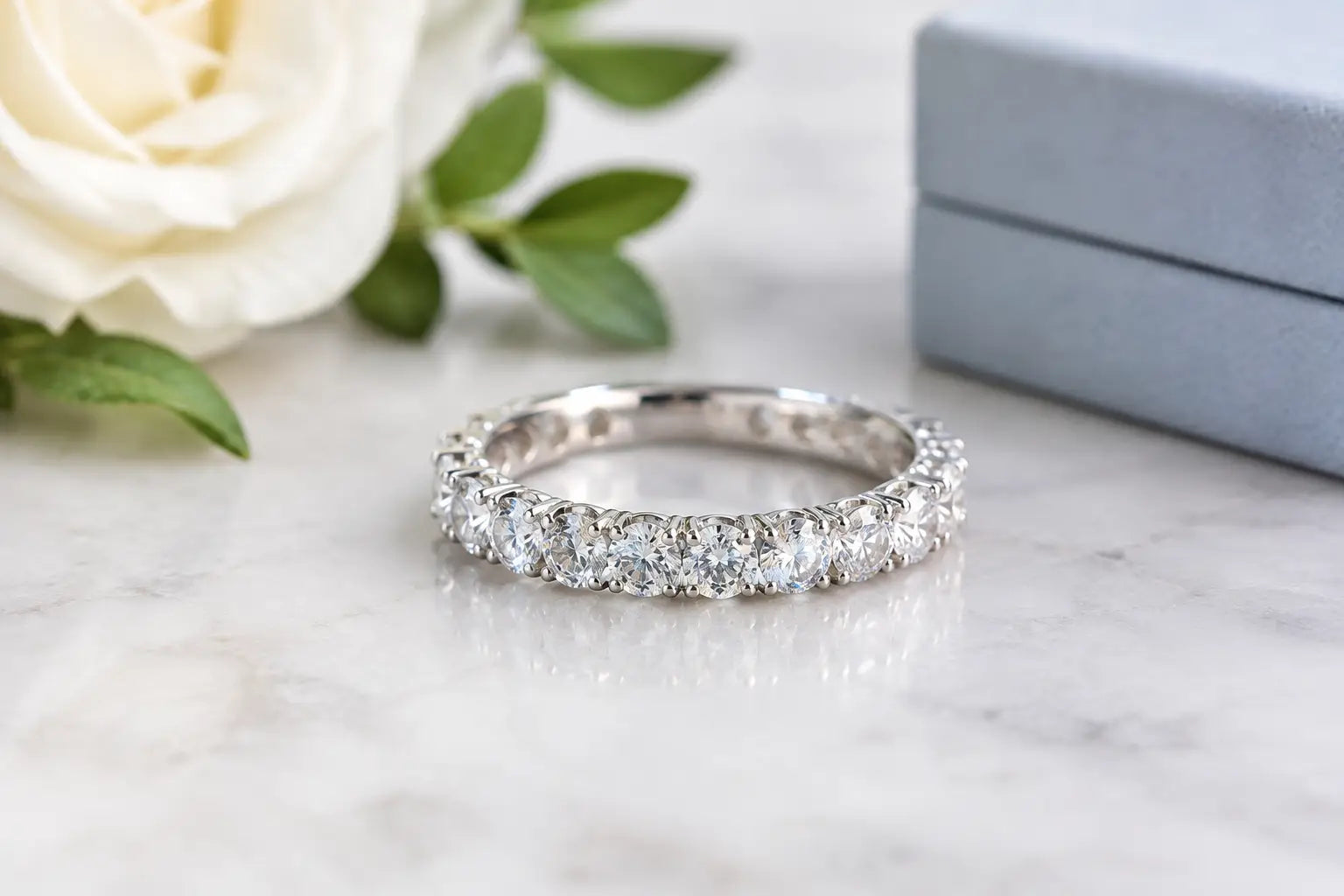

Moissanite Wedding Band Review: Worth It?
Read our moissanite wedding band review for sparkle, durability, sizing and value - plus the details that matter before you choose your forever ring today
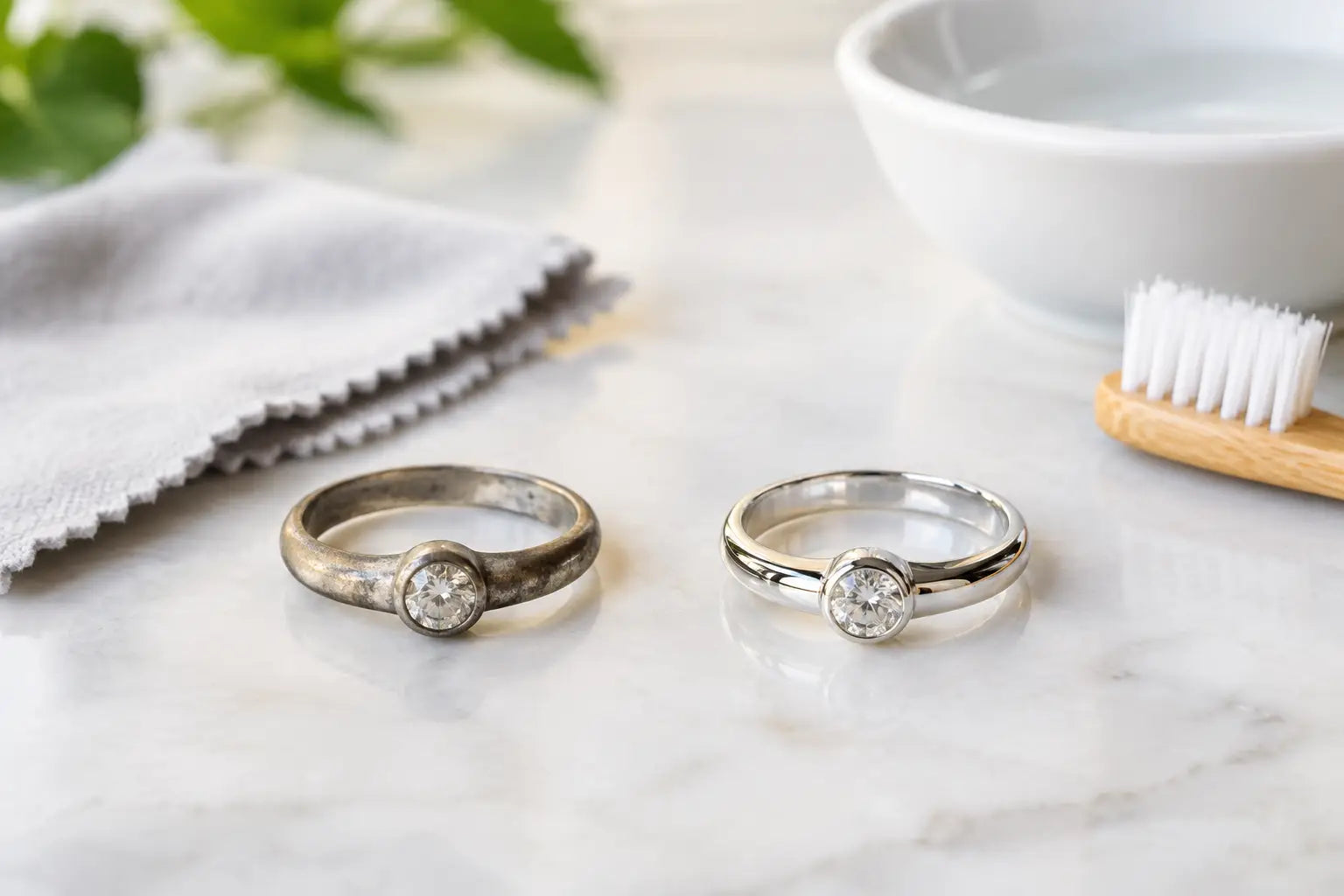

Why Rings Tarnish and How to Keep Them Bright
Wondering why rings tarnish? Learn what causes dullness, which metals need care and simple ways to keep your favourite ring bright for longer, every day.
PayPal Pay Later Messaging
Step 1: Choose message placement
Click the button below and then hover over your page to select a placement.