


Comfort Fit Versus Standard Rings Explained
A ring can look perfect in the photo, arrive in the right size and still feel wrong on your hand. That usually comes down to its inner profile. When comparing comfort fit versus standard rings, the key difference is not the design you see from the outside - it is the way the ring sits against your finger all day.
For a wedding band you plan to wear from morning meetings to weekends away, that detail matters. The same goes for a chunky wood inlay ring, a sparkling eternity style or a meaningful personalised piece. Here is how to choose the profile that feels as good as it looks.
Comfort fit versus standard rings: the real difference
A standard-fit ring has a flatter interior. Think of the inside of the band as a fairly straight surface running from one edge to the other. This traditional profile creates close contact with the finger and gives the ring a clean, classic structure.
A comfort-fit ring is gently rounded on the inside. Less metal touches your skin at the centre of the finger, while the softened inner edges make the band easier to slide over the knuckle. From the top, the two styles can look almost identical. Put them on, especially in a wider band, and the difference is often immediate.
Neither is automatically better. Comfort fit is built around ease of wear, while standard fit offers a more traditional feel and can suit shoppers who prefer their ring to sit securely and noticeably on the finger.
Why comfort-fit bands feel different
The curved interior of a comfort-fit band reduces the flat contact area against your skin. For many people, this means less of the tight, compressed feeling that can happen with a broad ring. It can also make taking the ring on and off feel smoother, which is handy if your fingers swell a little in warm weather, after exercise or at the end of a long day.
This is why comfort fit is a popular choice for wedding rings and durable everyday bands. If you are not used to wearing jewellery, a comfort profile can make the adjustment easier. It is also worth considering if you work with your hands, regularly wash your hands or simply do not want to be constantly aware of your band.
There is a trade-off. Because the interior is rounded, a comfort-fit ring can feel slightly roomier than a flat-profile ring in the same stated size. That does not mean you should automatically size down. Ring width, material, knuckle shape and personal preference all affect the right choice.
Comfort fit works especially well for wider rings
Once a band reaches around 6mm or more, the profile becomes much more noticeable. A wider standard-fit band has more metal sitting against the finger, so it may feel snug even when the size is technically correct. The rounded inside of a comfort-fit band can take the edge off that sensation without taking away the bold look you chose it for.
That makes comfort fit a strong match for wider men's wedding bands, statement rings and designs with substantial metalwork. It is not only for men, though. Anyone choosing a wider wedding band, a layered look or a ring they expect to wear daily may prefer it.
What standard-fit rings do well
Standard fit is not a lesser option. It is the original, familiar profile many people expect from a ring, particularly slimmer bands and fine jewellery styles. The flatter inside can make the ring feel more anchored on the finger, which some wearers genuinely prefer.
For narrow rings, the difference in day-to-day comfort may be minimal. A delicate eternity ring, slim stacking band or fine personalised ring often feels light whichever profile you choose. In these cases, the outer design, setting style and correct size are likely to matter more than the inner curve.
A standard profile can also suit someone whose fingers are relatively straight from knuckle to base. If you rarely struggle to remove rings and like a close, secure fit, traditional standard fit may feel completely right.
Choose for your daily routine, not just the occasion
It is tempting to buy a wedding ring based purely on how it looks during the ceremony. But the best ring is one you will be happy to wear while carrying shopping bags, typing, cooking, travelling and getting on with ordinary life.
Ask yourself how often you plan to wear it. A ring reserved for evenings, anniversaries or special occasions can be chosen almost entirely for its visual impact. For an everyday wedding band, comfort deserves more weight. A comfort-fit interior is often worth prioritising if you want a wider ring or know you dislike anything that feels restrictive.
Also think about the ring's outer edges. A comfort-fit interior does not guarantee a comfortable ring if the outside has very sharp edges, a tall setting or details that catch on clothing. Likewise, a standard-fit band with gently rounded outer edges can still be a pleasure to wear. Profile is one part of the whole design.
Ring sizing matters more than the profile
Even the most carefully designed comfort-fit band will not compensate for an incorrect size. A ring should move over your knuckle with a little resistance, then sit securely at the base of your finger. It should not spin freely all day, leave a deep indentation or require a struggle to remove.
The ideal time to measure is when your hands are at a normal temperature. Avoid checking immediately after a workout, a hot bath, a very salty meal or a chilly walk, as fingers can temporarily change size. If you are between sizes, the ring width becomes especially relevant: wider bands often need a little more room.
This is where trying a ring sizer before ordering can save stress. At Rock Solid Rings, free ring sizers and straightforward exchanges help take some of the guesswork out of choosing a band online. If you are buying a surprise gift, a ring already worn on the same finger can offer a useful starting point, but it is still worth measuring where possible.
Do not compare sizes across different band widths blindly
Someone may wear a size N in a 2mm stacking ring and find a 7mm wedding band feels much tighter in that exact size. This is common, not a sign that anything is wrong with the ring. A wider band covers more of the finger, so it has less room to flex with natural changes in finger size.
If you are moving to a wider design, check the product guidance and measure again. Choose the fit that feels secure without becoming uncomfortable later in the day.
Material and finish can change the feel
The inside profile gets most of the attention, but material also plays a part. Lightweight metals can feel easy to wear in either profile, while a denser ring may make you more aware of its presence. Scratch-resistant styles are practical for daily wear, but the band should still have a shape and width that suit you.
Finish matters too. A smooth, polished interior will generally glide more easily than a heavily textured one. If you love the character of wood inlay, opal or a detailed double-inlay design, remember that the decorative feature is usually on the outside. You can still choose an inner profile designed for comfortable daily wear.
Which ring profile should you choose?
Choose comfort fit if you are buying a wider band, want the easiest possible all-day feel, have a larger knuckle or are choosing your first ring to wear every day. It is a particularly practical option for wedding bands that need to work hard long after the photographs are taken.
Choose standard fit if you prefer a traditional, close-to-the-finger feel, are selecting a slim band or want a ring that feels firmly positioned. It can be a brilliant choice for fine stacking rings, delicate eternity designs and occasion pieces where a broad comfort profile is not necessary.
The best choice is the one that suits your hand, your habits and the style you are excited to wear. Give the profile the same attention you give the metal, colour and engraving - your future self will feel the difference every time you put the ring on.
Also in Articles
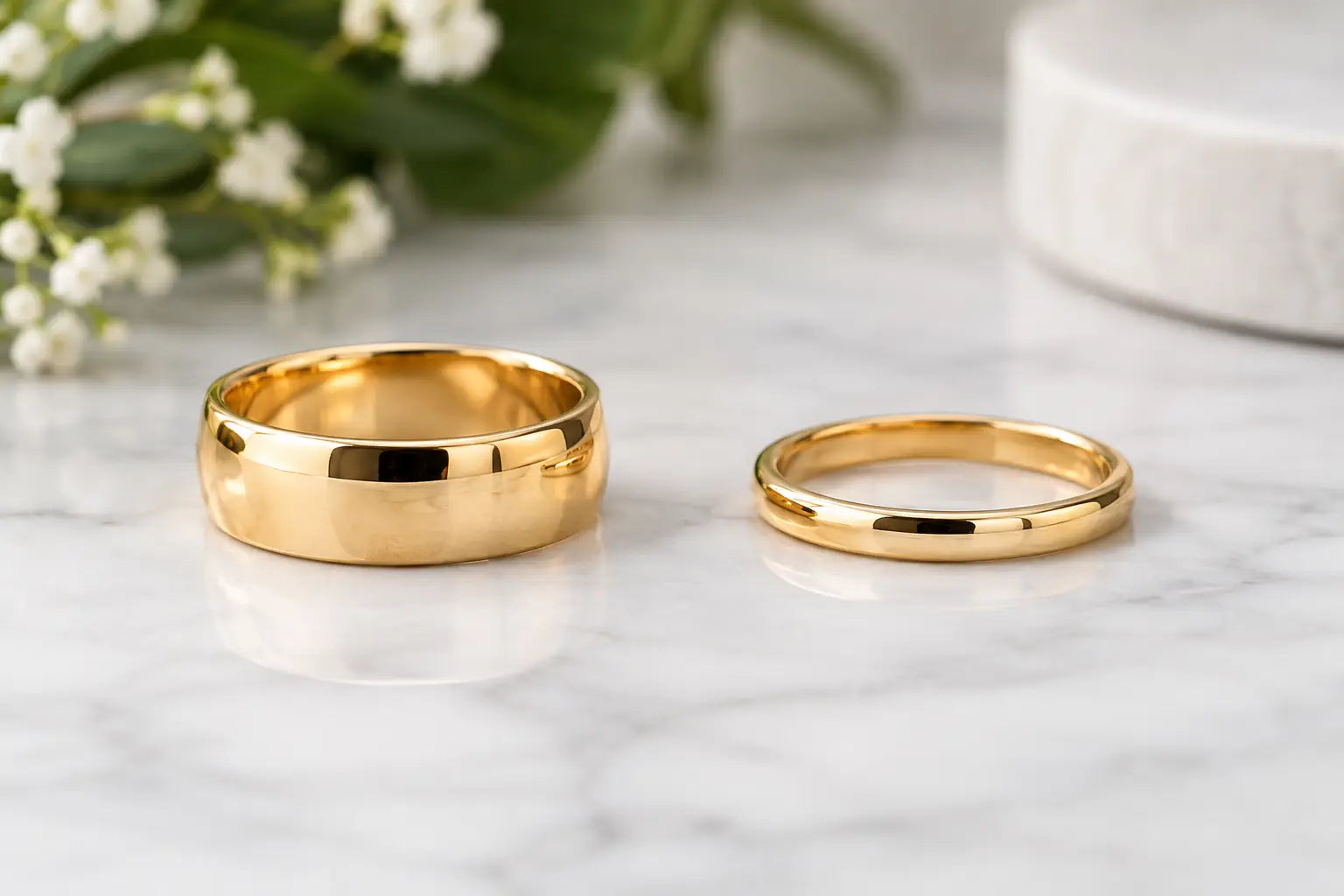

Wide Versus Narrow Bands: Which Ring Suits You?
Choosing wide versus narrow bands? Compare comfort, proportions, durability and style to find a wedding or everyday ring you'll love wearing every day.
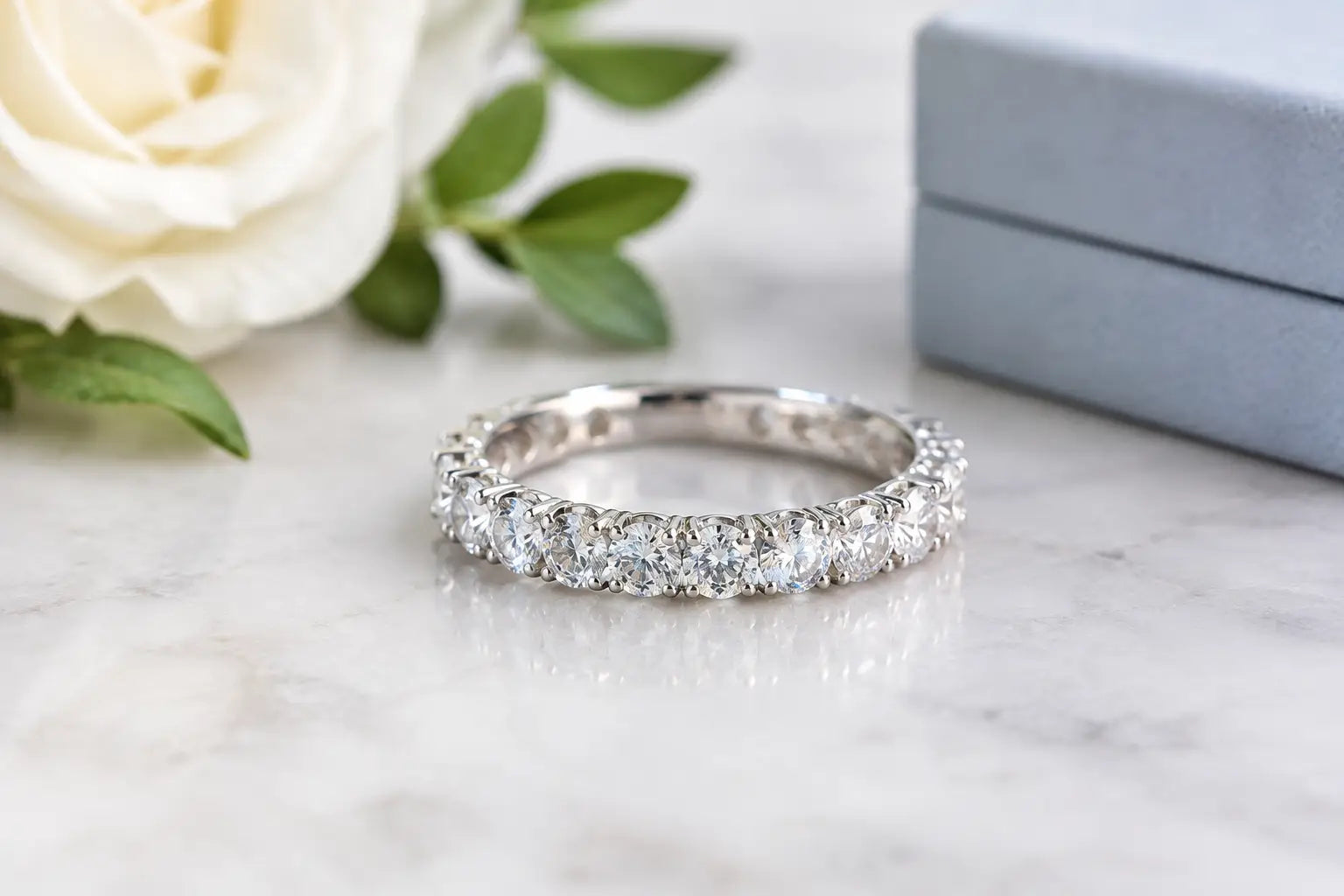

Moissanite Wedding Band Review: Worth It?
Read our moissanite wedding band review for sparkle, durability, sizing and value - plus the details that matter before you choose your forever ring today
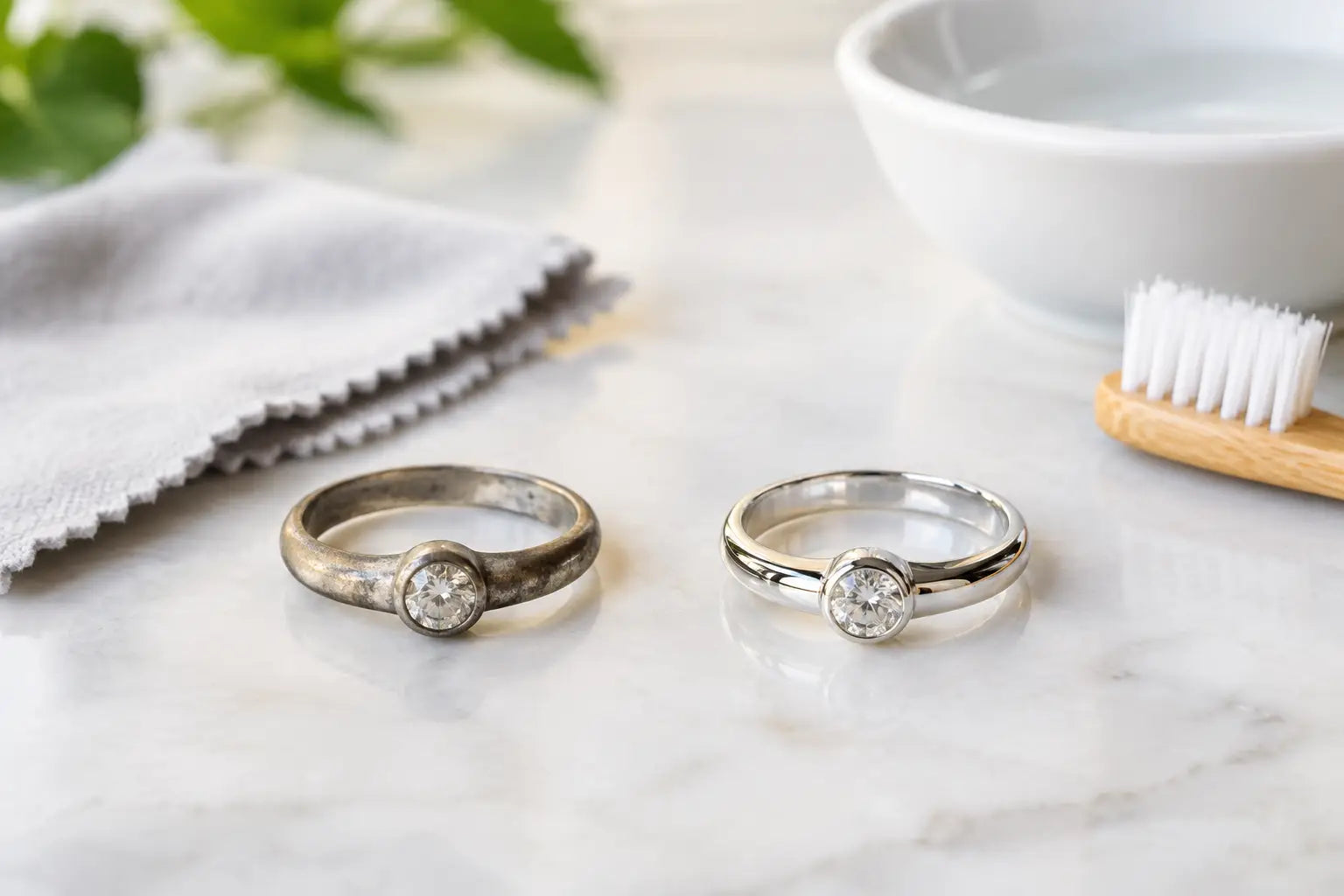

Why Rings Tarnish and How to Keep Them Bright
Wondering why rings tarnish? Learn what causes dullness, which metals need care and simple ways to keep your favourite ring bright for longer, every day.
PayPal Pay Later Messaging
Step 1: Choose message placement
Click the button below and then hover over your page to select a placement.