


Best Wedding Ring Metals for Style and Wear
A wedding ring has to survive more than the ceremony. It will meet hand sanitiser, gym sessions, washing up, DIY jobs and years of everyday life - so choosing from the best wedding ring metals is about far more than picking a colour you like in the moment.
The right choice depends on how you live, what you want to spend and whether you love a timeless polished finish or something more modern, textured and unexpected. Here is how the most popular wedding band metals compare, including the trade-offs worth knowing before you order.
What makes a wedding ring metal right for you?
Start with wearability. Some metals are naturally hard and highly scratch-resistant, while others are softer but can be resized, repaired and polished more easily. Neither route is automatically better. A hands-on job, an active routine or a preference for a low-maintenance ring may point you towards tungsten or titanium. If you want the flexibility to resize your ring in years to come, gold or platinum can be the stronger choice.
Comfort matters too. The width, profile and interior shape affect how a band feels, but metal weight makes a difference. Platinum feels satisfyingly substantial; titanium is impressively light. Finally, think about the look you want alongside your engagement ring, watch or everyday jewellery. Your wedding ring should feel like yours, not like a compromise made at the checkout.
Gold wedding rings: classic, versatile and easy to make personal
Gold remains one of the best-loved choices for a reason. It is warm, recognisable and available in a huge range of finishes, widths and colours. Gold is also a practical option for couples who would like engraving, a future resize or the possibility of a professional repair after years of wear.
Yellow gold
Yellow gold has the traditional wedding-band look, but it is far from old-fashioned. A slim yellow gold band can feel delicate and refined, while a broader brushed or hammered design has a confident, contemporary edge. It pairs particularly well with vintage-inspired engagement rings and warmer-toned jewellery.
Because pure 24ct gold is soft, wedding rings are usually made with lower carat alloys. In the UK, 9ct gold is a popular affordable choice with good durability for daily wear. 14ct offers a stronger gold colour, while 18ct gives a richer, more luxurious finish but is generally softer. The higher the gold content, the more care it may need if you work with your hands.
White gold
White gold offers the bright, silvery look many people associate with platinum at a more accessible price. It looks clean beside white stones, moissanite and diamond-style engagement rings, and works beautifully in polished, bevelled and patterned bands.
Most white gold is rhodium plated to achieve its crisp white finish. That plating can wear gradually, especially on a ring worn every day, so it may need refreshing over time. This is a simple part of owning white gold, but it is worth knowing before you choose it.
Rose gold
Rose gold brings a softer, more distinctive colour to a wedding set. Its blush tone looks striking beside opal, wood inlays and clear stones, and it is an excellent choice if you want something romantic without choosing the obvious route.
The copper used to create rose gold also makes it relatively durable, though its colour is not for everyone. Try to view it against your skin tone and alongside your engagement ring before deciding. Mixed-metal stacks can be brilliant, but an exact colour match between different brands is not always guaranteed.
Platinum: premium weight and lasting white colour
Platinum is a natural choice for shoppers who want a premium-feeling wedding ring with a naturally white finish. It is dense, hypoallergenic and does not rely on rhodium plating to look white. For many people, that reassuring weight is part of the appeal.
Platinum is not scratch-proof. Instead of losing metal easily, it often develops a soft patina as the surface shifts with wear. Some love this lived-in character, while others prefer occasional polishing to bring back a brighter shine. Platinum is usually more expensive than gold, but it can be an excellent long-term investment for a classic band, especially if you value a metal that can generally be resized and repaired.
Titanium: lightweight strength for everyday life
Titanium is a favourite for modern wedding bands, particularly for people who dislike the feeling of heavy jewellery. It is exceptionally lightweight, strong and naturally resistant to corrosion. If you want a dark grey, black or brushed-metal look that can handle a busy routine, titanium has real appeal.
It is also often a good choice for sensitive skin. However, titanium is difficult to resize because of its strength. Getting the size right from day one is essential. A free ring sizer takes the guesswork out of ordering, especially if you are choosing a wider band, which can feel tighter than a slim design in the same size.
Titanium suits minimalist bands beautifully, but it also gives inlay designs a sharper, more contemporary finish. Think wood, opal, carbon fibre or coloured details framed by a sleek metal edge.
Tungsten: the hard-wearing statement choice
Tungsten carbide is one of the hardest wedding ring materials available and earns its reputation for exceptional scratch resistance. It has a substantial, weighty feel and a high-polish finish that can stay striking with very little effort. For a bold, affordable wedding band, tungsten is hard to beat.
It is not indestructible, though. Tungsten resists surface scratches but can crack or shatter under a severe impact because it is brittle rather than flexible. It also cannot usually be resized. That makes accurate sizing non-negotiable, and it is why trying the shape and width with a sizer before ordering is smart.
Tungsten is available in classic silver-grey, deep black, gold-tone finishes and eye-catching inlay styles. It is ideal for someone who wants their ring to make an entrance and keep looking polished through daily wear.
Stainless steel and silver: budget-friendly with different strengths
Stainless steel offers a clean, modern look at an approachable price. It is durable, low-maintenance and works well for fashion-forward rings, temporary wedding bands or couples keeping a close eye on their budget. Surgical-grade stainless steel can also be a good option for many people with sensitive skin, although anyone with a known metal allergy should check the exact composition first.
Sterling silver has a bright, traditional jewellery look and is usually very affordable, but it is softer than steel, tungsten and titanium. It can scratch, bend and tarnish over time. A silver wedding ring can be meaningful and beautiful, particularly for an occasional-wear band or a short-term choice, but it needs more care for permanent everyday wear.
The best wedding ring metals for specific lifestyles
If you work in an office and want a ring that can be resized later, yellow, white or rose gold are reliable choices. Platinum is a premium alternative for the same reason, especially if you prefer a naturally white metal.
For active lifestyles, titanium and tungsten are strong contenders. Titanium feels barely there, while tungsten brings a heavier, more dramatic presence. If you work around machinery, always follow workplace safety guidance on jewellery. In some roles, a silicone ring for work and a metal ring for everything else may be the safest, most practical approach.
For a ring that stands out, look beyond plain metal. Black tungsten with an opal inlay, a titanium band with wood detail, or a two-tone gold design can carry more personality than a traditional plain band. The best choice is the one you will be excited to put on every morning.
Do not overlook fit, finish and future changes
The same metal can feel completely different depending on its profile. A court-shaped or comfort-fit interior is rounded on the inside and tends to sit more comfortably, particularly in wider rings. Flat bands create a crisp, modern outline, while bevelled edges add definition without becoming flashy.
Finishes deserve the same attention. High polish catches the light and looks instantly dressy, but fine scratches show more easily. Brushed, matte and hammered finishes are more relaxed and can disguise minor signs of wear. There is no wrong answer - just choose a finish that suits your expectations of everyday use.
Before committing, consider future resizing, engraving and matching. Gold and platinum are usually the most flexible options for these plans. Tungsten and titanium offer huge durability but fewer adjustment options. Rock Solid Rings makes the online part easier with ring sizers, engraving options and straightforward exchanges, so you can focus on finding a band that feels right rather than worrying about a costly mistake.
Choose the metal that fits your real life, not just the wedding-day photographs. A ring that suits your hands, your habits and your style will still feel special long after the confetti has been cleared away.
Also in Articles


Durable Rings for Work That Still Look Good
Find durable rings for work that suit your hands, job and style. Compare materials, safety needs, fit and finishes made for everyday wear without the fuss.
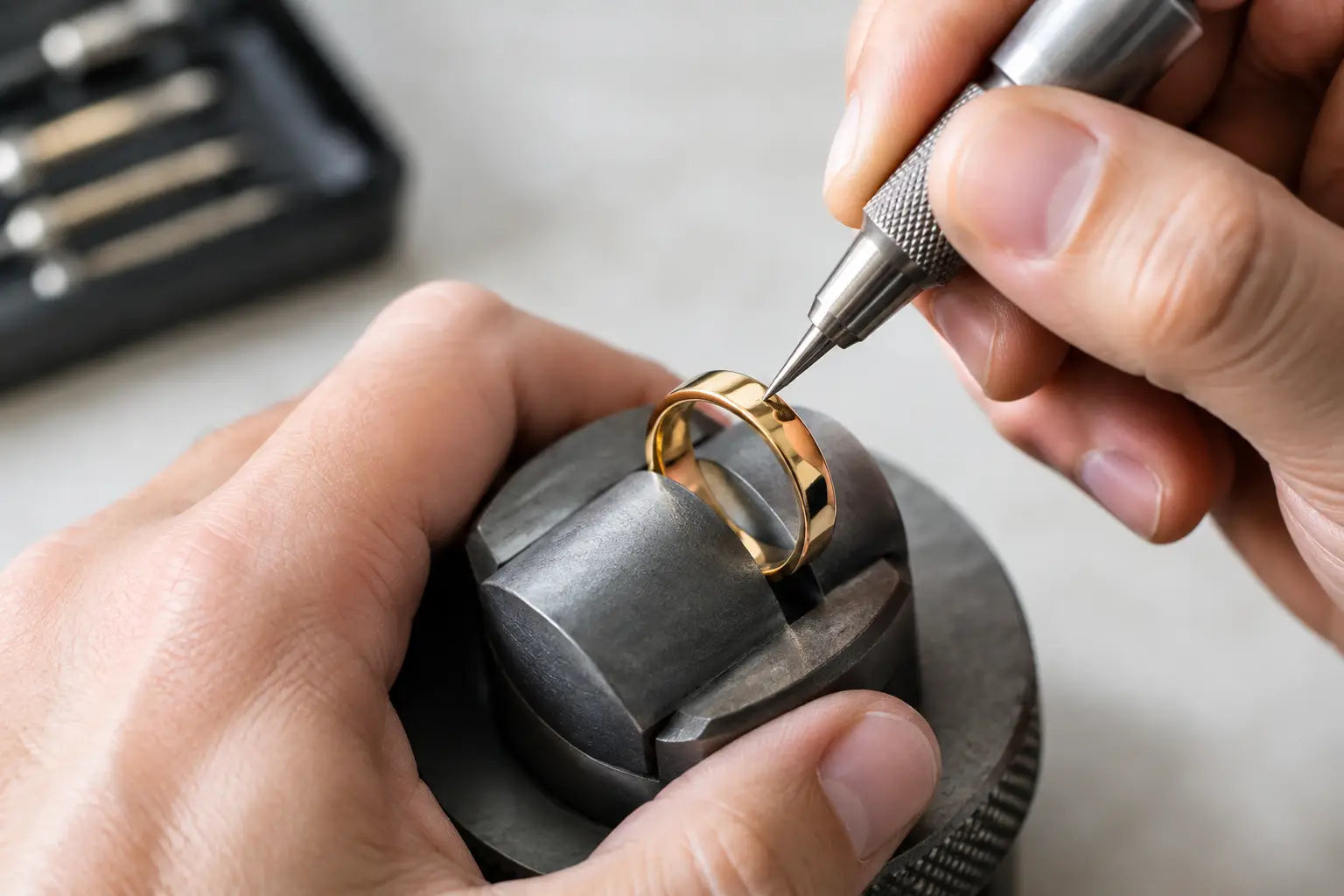

How to Engrave a Ring Without Getting It Wrong
Learn how to engrave a ring with the right words, font and placement, plus when a jeweller is the best choice for a clean, lasting finish.
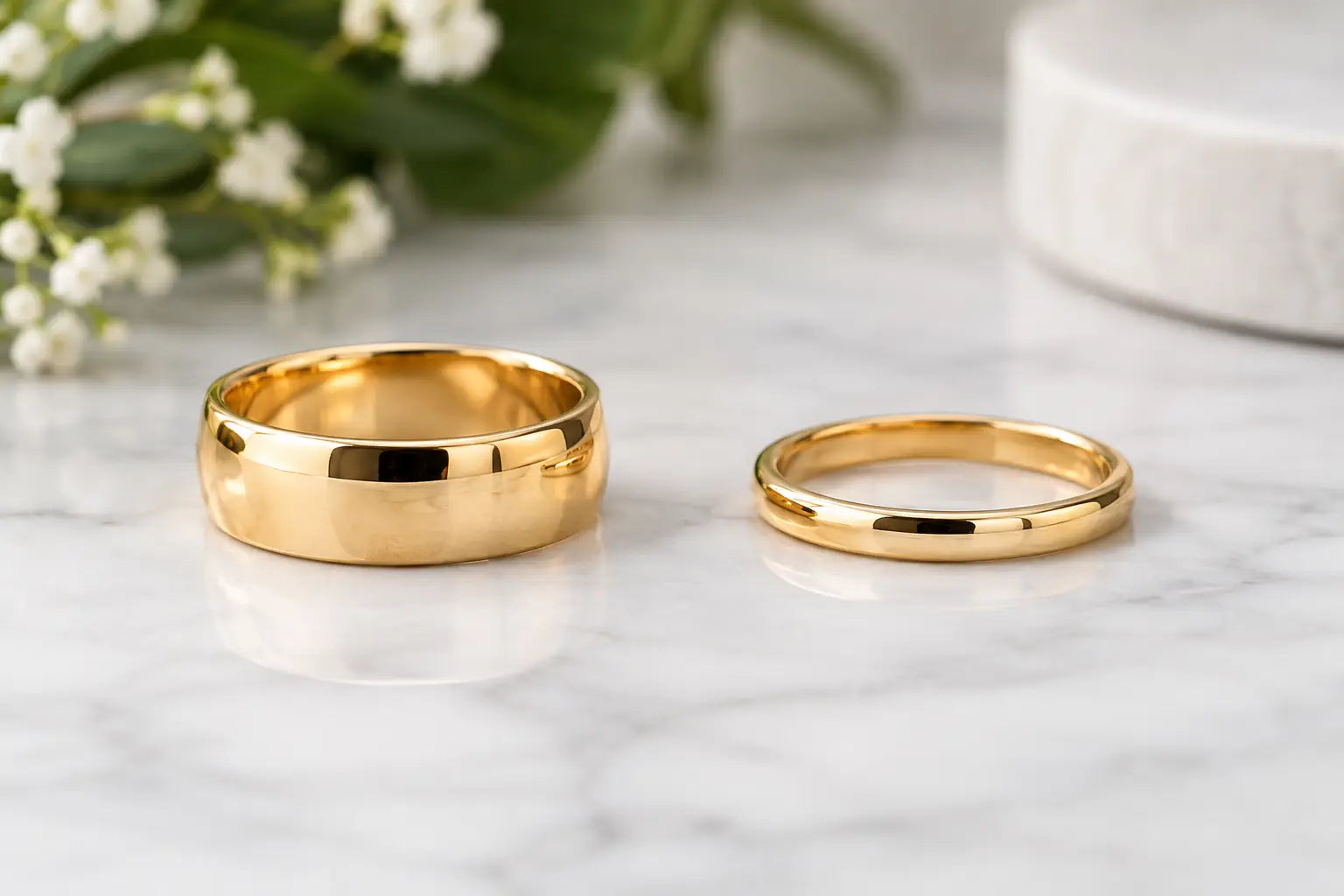

Wide Versus Narrow Bands: Which Ring Suits You?
Choosing wide versus narrow bands? Compare comfort, proportions, durability and style to find a wedding or everyday ring you'll love wearing every day.
PayPal Pay Later Messaging
Step 1: Choose message placement
Click the button below and then hover over your page to select a placement.