


Gold Plated Versus Solid Gold: Which Is Best?
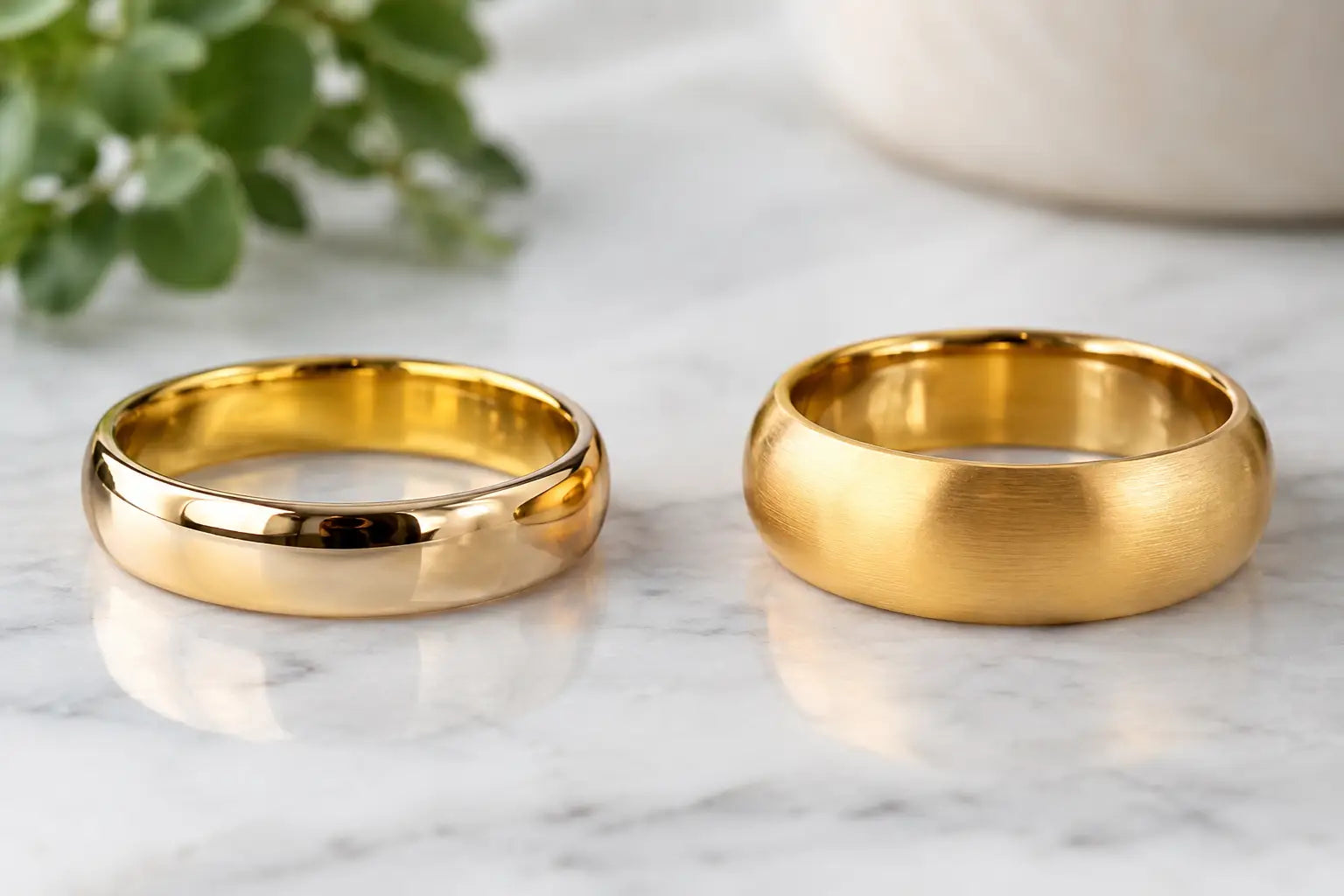
That brilliant gold finish can look equally impressive in the box, whether you choose gold plated versus solid gold jewellery. The difference shows up over time: in how a ring handles daily wear, how much it costs, whether it suits sensitive skin and how sentimental you want the piece to become. There is no single winner - only the right choice for the way you wear it.
Gold plated versus solid gold: the key difference
Gold-plated jewellery starts with a base metal, commonly stainless steel, brass or sterling silver, covered with a thin layer of real gold. The gold gives the piece its warm colour and polished finish, while the base metal keeps the price accessible. How long that finish lasts depends on the thickness and quality of the plating, the metal underneath and, crucially, how often the jewellery meets water, fragrance, sweat and friction.
Solid gold is gold alloyed with other metals all the way through the piece. It is not usually pure 24ct gold. Pure gold is beautifully rich but very soft, so jewellery is commonly made in 9ct, 14ct or 18ct gold. Those extra metals add strength and create different tones, from classic yellow gold to white and rose gold.
This means a scratch on a solid gold ring does not reveal a different-coloured metal below. A plated ring may eventually show signs of the base metal where the gold layer has worn down, particularly around the palm side of a band, clasp or chain links.
When gold plated jewellery is the smarter buy
Gold plating is not a compromise if your priority is style, variety or value. It is a brilliant option for a trend-led statement ring, a special-occasion necklace, a personalised gift or an extra piece to layer into your existing collection. You can enjoy a bold design or a big gold look without paying for the full weight of solid gold.
It also makes sense for jewellery you rotate rather than wear every day. If you have a go-to silver-toned ring, a black band and a gold-plated design for evenings out, each piece gets a break. Less constant contact means less wear on the plating.
For gifting, gold-plated jewellery can offer the visual impact people want at a more comfortable budget. That can leave room for thoughtful details such as engraving, a meaningful stone or a matching chain. The value is in choosing a piece that feels personal, not simply choosing the highest price tag.
The trade-off is maintenance. Gold-plated pieces need a little more care to retain their fresh-from-the-box shine. Take them off before showering, swimming, exercising or applying lotion and fragrance. Store them separately in a dry pouch or jewellery box, and clean gently with a soft, dry cloth. A quick wipe after wearing is a small habit that can make a real difference.
Why solid gold costs more
The price of solid gold reflects the amount of precious metal in the piece. Gold has intrinsic value, and a solid gold ring can be worn, polished and repaired over many years. It is often the stronger long-term choice for an engagement ring, wedding band, anniversary gift or heirloom piece intended to stay with someone through daily life.
Solid gold also gives you more freedom with repairs and resizing, although this depends on the design. A plain gold band is generally straightforward for a jeweller to work with. Rings with intricate settings, stones all the way around the band or mixed materials can be more limited, whatever metal they are made from.
That higher upfront spend is worth considering if you know the ring will rarely come off. Hands meet door handles, gym equipment, washing-up liquid, hand sanitiser and countless little knocks every day. Solid gold is not indestructible, but it is designed to be lived in rather than carefully saved for certain outfits.
Is solid gold always more durable?
Not automatically. Carat matters. Higher-carat gold contains more gold and is generally softer, while lower-carat gold contains a greater proportion of strengthening alloy metals. A 9ct gold ring can be a practical choice for everyday wear because it is hard-wearing and more affordable than 18ct gold. An 18ct ring offers a richer gold colour and a higher gold content, but may pick up marks more readily.
Design matters just as much. A slim ring with a raised stone setting needs more care than a wider, low-profile band. A chunky chain is likely to cope with daily wear better than a very fine one. Even the most premium metal benefits from sensible treatment.
Plated jewellery varies too. Quality plating on a suitable base metal can look fantastic and perform well when worn thoughtfully. Very thin plating on a ring that is never removed will naturally wear faster. If you are choosing gold plating for a ring, consider making it a style piece rather than your 24/7 band.
What about sensitive skin?
If your skin reacts to jewellery, look beyond the word “gold”. The issue is often the base metal or alloy, not the gold-coloured surface. Plating can wear over time, exposing the metal underneath. For some people, that can cause irritation, especially with rings worn through hand washing and warm weather.
Solid gold may be a more reassuring option for regular wear, but it is still an alloy. White gold, for example, can contain nickel depending on the alloy used. Sterling silver, stainless steel and higher-quality gold-plated pieces can suit many wearers well, but everyone’s skin is different. If you have known metal allergies, check the product material details before ordering and choose with that information in mind.
Choosing the right option for a ring
Rings work harder than most jewellery, which makes the decision more personal. Start with the job you want the ring to do. Is it a fashion piece to match a new outfit? A birthday gift with an engraved message? A wedding band expected to be worn every day? A sparkling eternity-style ring reserved for date nights and celebrations?
For everyday commitment rings, solid gold offers confidence and longevity if it fits the budget. For a fashion-forward stack, a gold-plated ring lets you play with texture, stones, signets and statement shapes without overthinking the price. Plenty of jewellery lovers build a collection with both: solid gold for their forever pieces, plated gold for fresh looks and seasonal styling.
Fit is part of the equation, too. A ring that spins, pinches or needs constant adjusting will get knocked about more than one that fits properly. Ordering a sizer before committing can save hassle and help you enjoy the piece from day one. Rock Solid Rings also makes choosing easier with free ring sizers and a no-quibble money-back guarantee, so the focus can stay on finding a design that feels right.
A quick way to decide
Choose gold plated if you want maximum style for your budget, enjoy changing your jewellery often or are buying a piece mainly for occasional wear. Choose solid gold if the jewellery will be worn daily, has lasting sentimental value or you want a piece that can stay in your collection for years.
There is a middle ground, too. Gold vermeil uses a sterling silver base with a thicker layer of gold than standard plating, making it a popular option for shoppers who want a more premium plated finish. It still needs care, but it can be a great fit for earrings, pendants and jewellery worn less roughly than rings.
The best gold jewellery is the piece you will genuinely wear. Pick solid gold when permanence is the point, choose plating when you want more room to experiment, and give either one the care it deserves. A well-chosen ring should feel exciting when you put it on, not like a purchase you need to second-guess.
Also in Articles
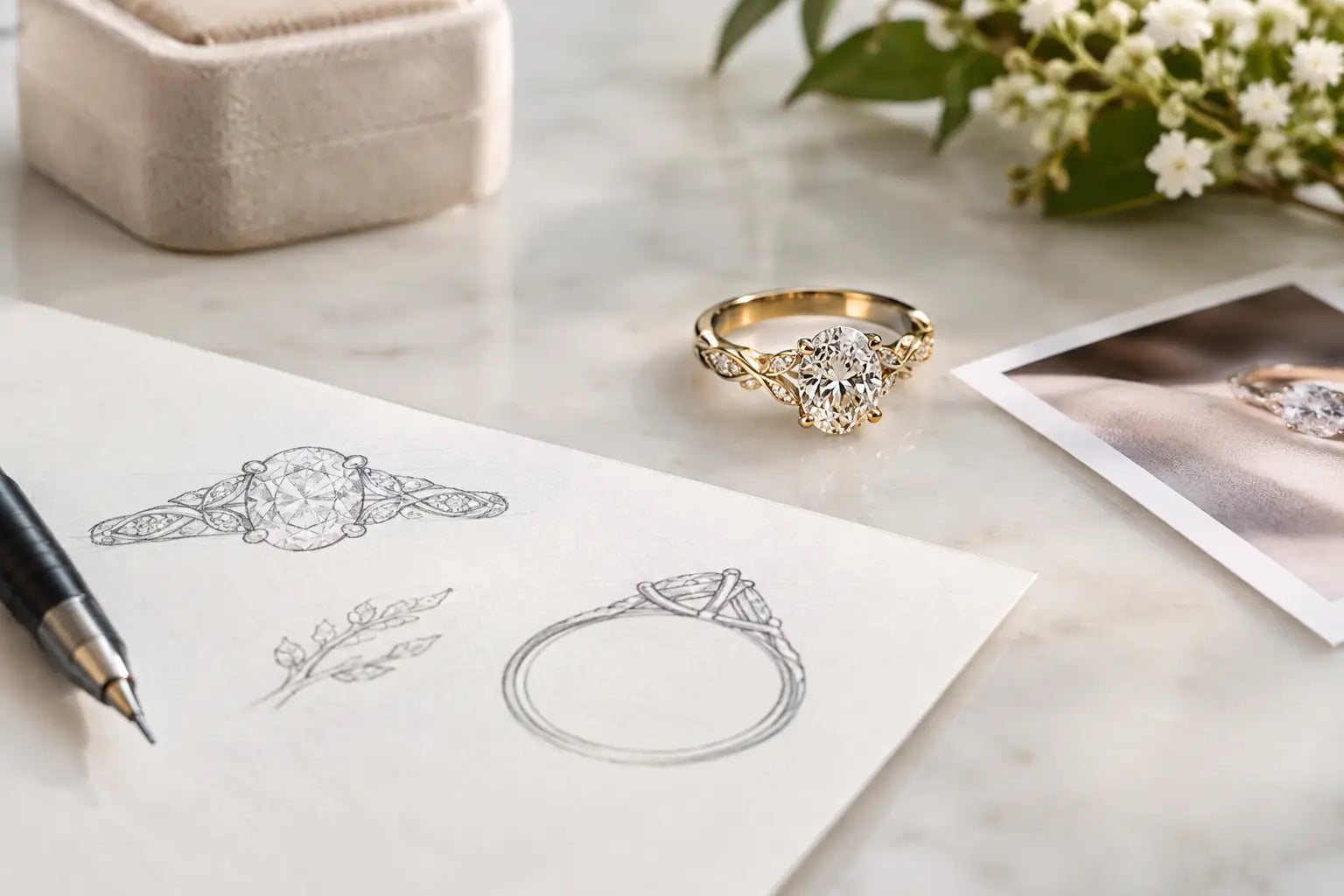

Custom Ring Design Example: Make It Personal
See a custom ring design example that balances style, meaning and daily wear, with smart choices for metal, inlays, engraving and fit for online orders.
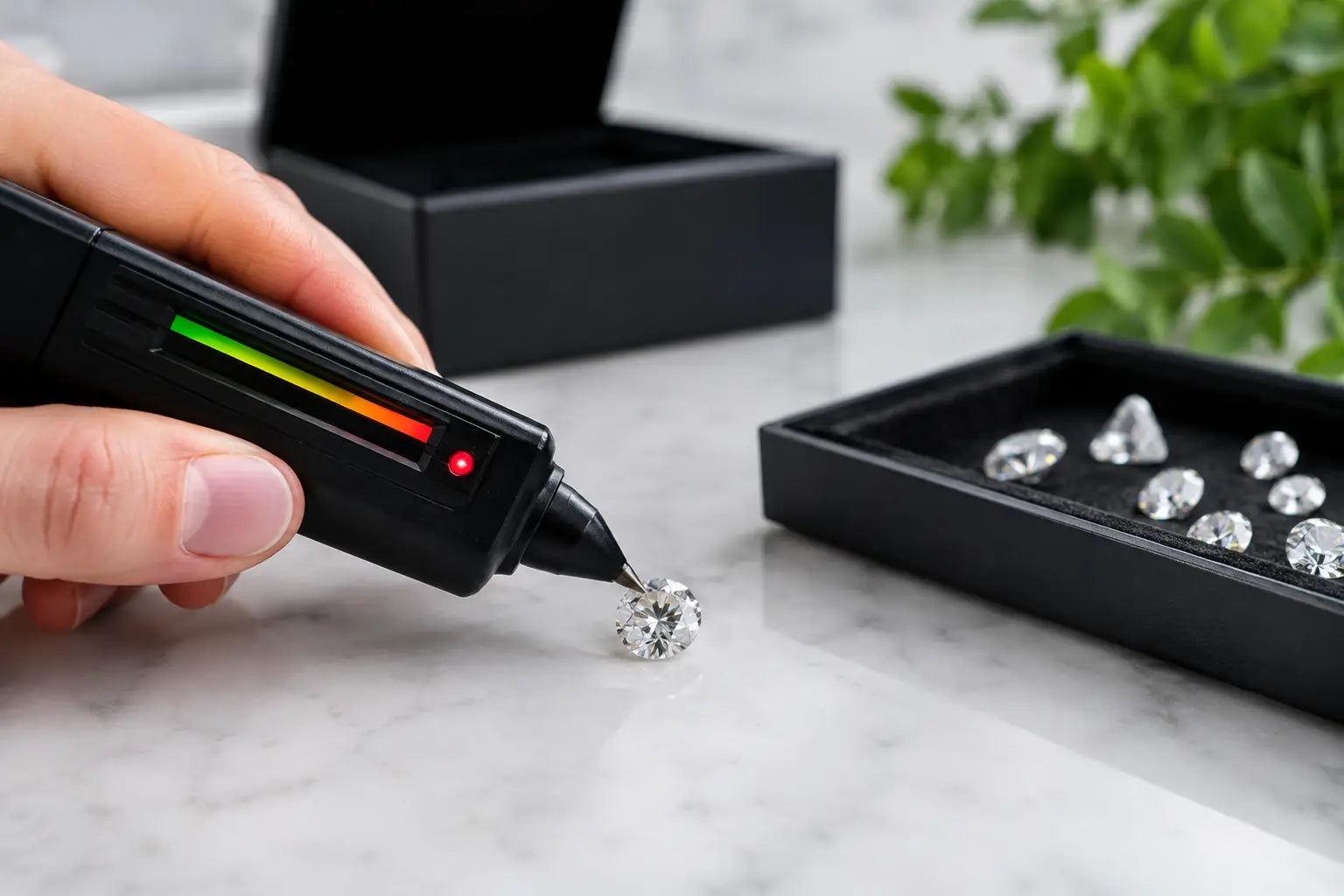

What Moissanite Tester Results Really Mean
Moissanite tester results can be confusing. Learn what a positive reading means, when diamond testers mislead, and how to check your ring with confidence.


A Guide to Ring Setting Styles for Every Hand
Use our guide to ring setting styles to compare sparkle, security and comfort, then choose a ring that suits your hand, routine and budget with confidence.
PayPal Pay Later Messaging
Step 1: Choose message placement
Click the button below and then hover over your page to select a placement.