


Best Rings Sensitive Skin Can Wear Every Day
A ring should be the part of your outfit you forget you are wearing - not the reason your finger feels itchy, red or sore by lunchtime. If you are searching for the best rings sensitive skin can wear, the answer is not simply ‘buy expensive’. The metal, the plating, the fit and even what gets trapped beneath the band all make a real difference.
The good news is that comfortable, standout jewellery is absolutely possible. From clean, polished wedding bands to meaningful engraved pieces and bold stone-set styles, knowing what to look for lets you choose a ring that feels as good as it looks.
What makes a ring irritate sensitive skin?
Nickel is the usual suspect. It is commonly blended into jewellery alloys because it adds strength and a bright finish, but it can trigger contact dermatitis in people with a nickel sensitivity. That reaction may look like redness, dry skin, itching, tiny bumps or a darkened patch exactly where the band sits.
Still, not every irritated finger means a metal allergy. A ring that is too tight can hold moisture, hand cream, soap and sweat against the skin. Frequent handwashing can make this worse, especially in cold weather when hands are already dry. Rough inner edges, worn plating and residue in detailed settings can also turn an otherwise lovely ring into an uncomfortable one.
That is why the best choice balances a skin-friendly material with a smooth, well-fitted design. If you have had a strong or persistent reaction to jewellery, speak to a pharmacist, GP or dermatologist for personalised advice rather than trying to guess the cause.
The best rings for sensitive skin: materials that work
Titanium for lightweight, low-fuss wear
Titanium is a brilliant option for daily rings. It is lightweight, strong, corrosion-resistant and generally well tolerated by people with metal sensitivities. That barely-there feel is especially welcome if you are not used to wearing a ring every day, or if you want a wedding band that can keep up with work, weekends and everything in between.
Titanium has a modern grey tone rather than the high-polish white shine of traditional precious metals. For many shoppers, that is the appeal. It gives a clean, contemporary look and works beautifully in matte, brushed or polished finishes.
Platinum for premium comfort and lasting shine
Platinum is naturally white, dense and highly durable. It is often considered one of the safest precious-metal choices for sensitive skin because high-quality platinum jewellery is typically very pure and does not rely on nickel-containing alloys.
The trade-off is price. Platinum costs more than most alternative metals, and its weight can feel substantial on the hand. If you want the classic precious-metal experience and plan to wear the ring for decades, it can be a fantastic investment. If affordability is the priority, there are other excellent options that still look seriously special.
High-carat gold for a classic look
Gold is not automatically hypoallergenic. The purity matters. Pure 24ct gold is soft, so rings are usually made from an alloy that includes other metals for strength. Higher-carat yellow gold, such as 18ct, contains more gold and fewer added metals than 9ct or 14ct, which can make it a better bet for sensitive skin.
White gold needs more care when you are nickel-sensitive. Some white gold alloys contain nickel, and many are finished with rhodium plating to create that bright white appearance. The plating can wear down over time, potentially exposing the alloy underneath. Ask exactly what is in the ring rather than assuming every white gold piece will suit your skin.
Sterling silver, with a little extra attention
Sterling silver is affordable, versatile and loved for its bright finish. It is usually alloyed with copper rather than nickel, making it comfortable for many people. However, silver can tarnish and may react with the oils, products or moisture on your hands, sometimes leaving a temporary dark mark.
That does not always mean an allergy. Regular gentle cleaning and drying the ring after washing your hands can make a noticeable difference. If you know your skin reacts easily, choose a well-made sterling silver ring with a smooth interior and avoid wearing it through swimming, cleaning or heavy gym sessions.
Stainless steel and tungsten: check the specification
Stainless steel rings are hardwearing, budget-friendly and available in plenty of sharp, contemporary designs. Surgical-grade stainless steel is often a popular choice, but stainless steel can contain nickel. Some people can wear it without any issue; others cannot. The label ‘surgical steel’ is reassuring, but it is not a guarantee for every nickel allergy.
Tungsten is another durable favourite, particularly for wider wedding bands and scratch-resistant everyday styles. Tungsten carbide itself is generally skin-friendly, yet the binder metal used in production matters. Cobalt-bound tungsten is often preferred for sensitivity, while nickel-bound versions may cause a reaction. Details count here, so always check the full material description before you buy.
Be cautious with plated and mixed-metal rings
Plated jewellery can look brilliant and make a trend-led style more affordable, but the outer layer is not permanent. Gold-plated, rhodium-plated or silver-plated finishes gradually wear with friction, water, sanitiser and everyday use. Once the base metal is exposed, sensitive skin may react.
This does not mean plated rings are off limits. They can be perfect for occasional wear, parties, date nights and trying a new look. Just do not treat a lightly plated fashion ring as the same thing as a solid-metal ring you will wear in the shower, at the gym and while washing up.
Mixed-material designs deserve the same question: what is touching your skin? An opal, wood inlay or moissanite centrepiece can be the showstopper, but the inner band material is what determines everyday comfort. Look for a ring with a fully finished interior rather than one where a different alloy sits against the finger.
Fit and finish matter as much as the metal
A comfortable ring should move over your knuckle with gentle resistance, then sit securely without pinching. If it leaves a deep groove, makes your finger throb or is difficult to remove at the end of the day, it is too tight. If it spins constantly and traps soap beneath the band, it may be too loose.
A comfort-fit interior is worth seeking out, especially with wider bands. Instead of a flat inner edge, the inside is slightly rounded, which reduces pressure and helps the ring glide over the knuckle. A polished interior also gives less opportunity for rough spots to rub against the skin.
Finger size can change with heat, exercise, pregnancy, salt intake and the time of day. Ordering the right size is not a tiny detail - it is one of the simplest ways to avoid irritation and make an online ring purchase feel easy. Use a ring sizer and measure when your hands are at a normal temperature, not straight after a workout or a hot bath.
Simple care for happier hands
Even the right ring needs a little routine. Take it off before applying thick hand cream, fake tan, perfume, cleaning products or hair dye. Remove it for swimming too, as chlorine can affect finishes and leave residue where the band touches your skin.
Wash the ring occasionally in warm water with a small amount of mild soap, then dry it thoroughly with a soft cloth. More importantly, dry your finger before putting it back on. That quick habit helps prevent moisture from sitting beneath the band all day.
If you rotate rings, give your skin an occasional break. This is particularly useful when your hands are dry or you are wearing a wider style for a long event. A ring should add confidence, not become something you tolerate for the look.
How to shop with confidence
Start with the full material specification, not just the colour of the ring. ‘Silver-tone’ and ‘gold-tone’ describe appearance, not what the band is actually made of. If a listing does not clearly explain the metal, alloy or plating, it is reasonable to choose another option.
For a daily wedding band or a ring you never plan to take off, prioritise titanium, platinum, high-carat yellow gold, or a clearly specified nickel-free design. For occasional glamour, plated styles can offer plenty of impact at a lower price, provided you understand how to care for them. And if a ring is meaningful enough to engrave, make sure the fit and finish are right before you personalise it.
At Rock Solid Rings, the aim is simple: find a design that feels like you, get the size right and wear it with confidence. Sensitive skin should narrow your options in a useful way, not take the excitement out of choosing a ring. The best piece is the one that earns its place on your hand because it is comfortable, personal and impossible not to look at.
Also in Articles
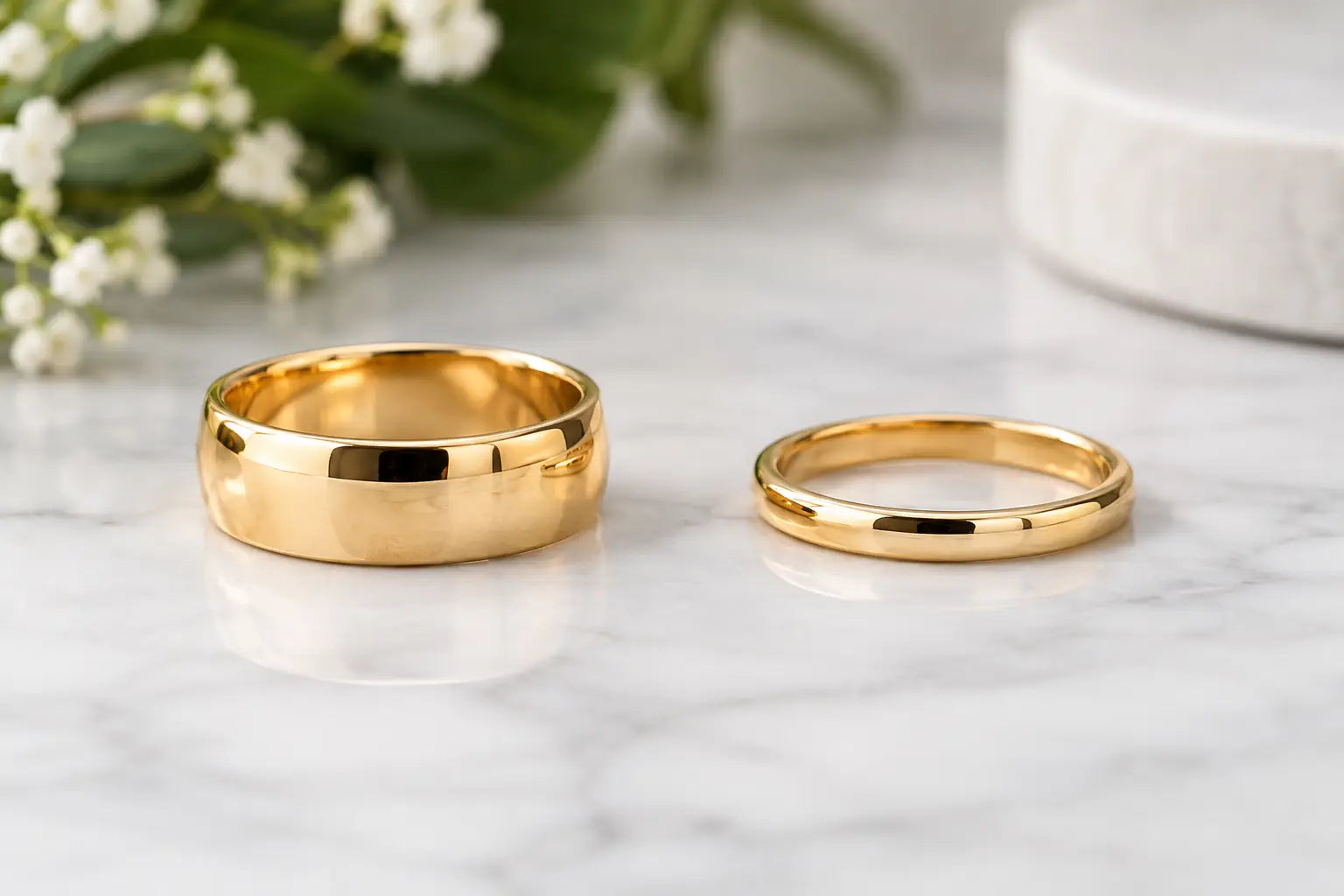

Wide Versus Narrow Bands: Which Ring Suits You?
Choosing wide versus narrow bands? Compare comfort, proportions, durability and style to find a wedding or everyday ring you'll love wearing every day.
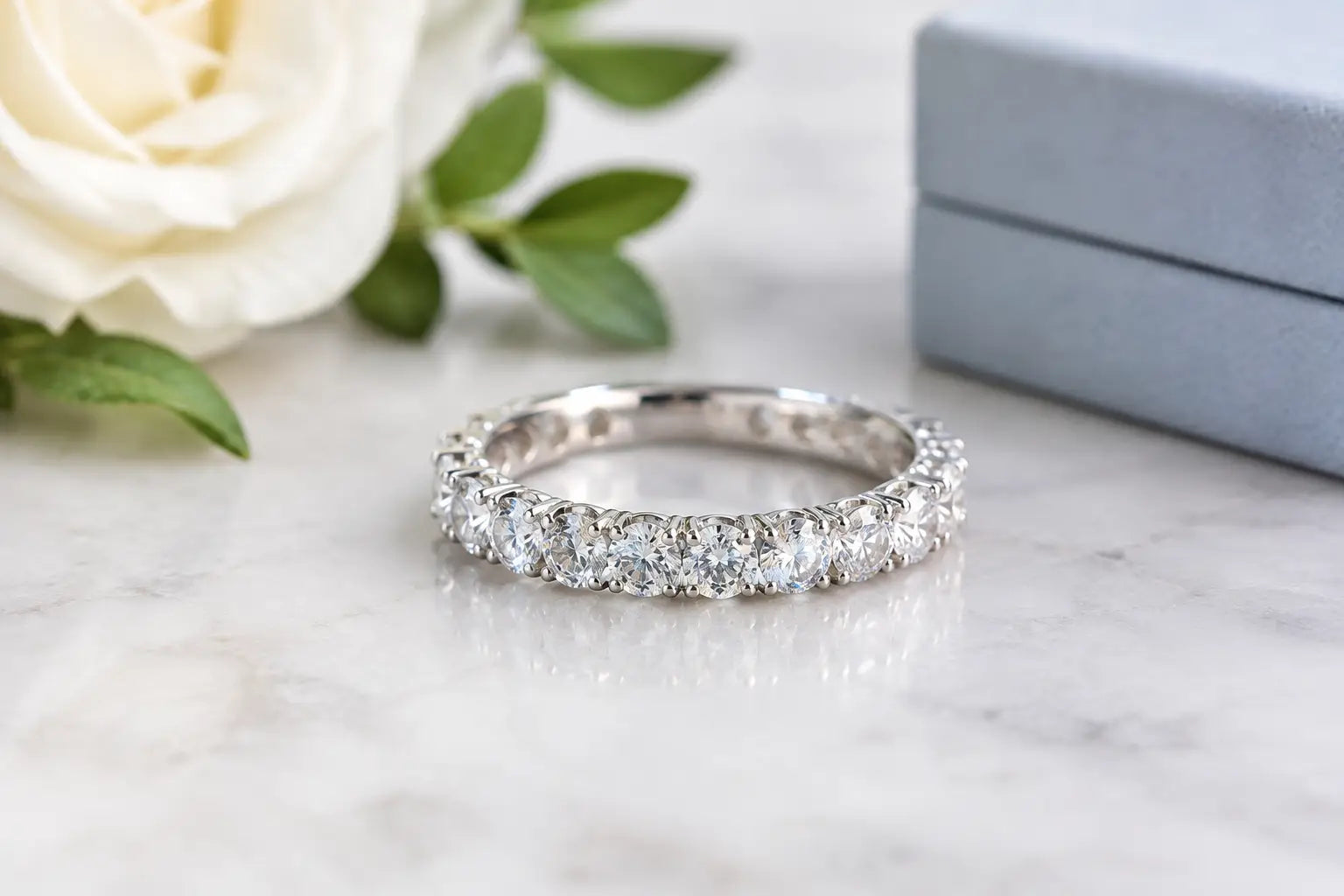

Moissanite Wedding Band Review: Worth It?
Read our moissanite wedding band review for sparkle, durability, sizing and value - plus the details that matter before you choose your forever ring today
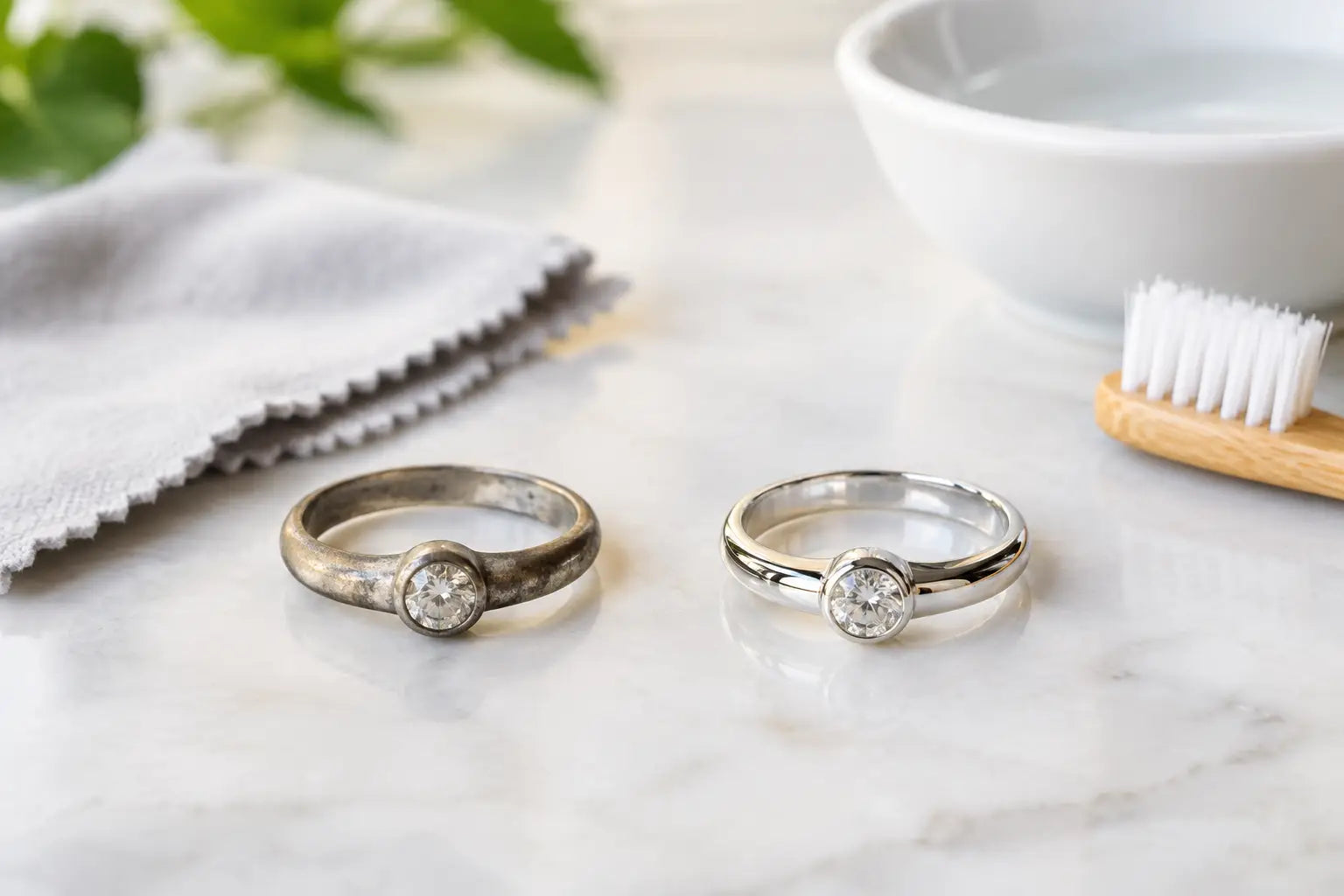

Why Rings Tarnish and How to Keep Them Bright
Wondering why rings tarnish? Learn what causes dullness, which metals need care and simple ways to keep your favourite ring bright for longer, every day.
PayPal Pay Later Messaging
Step 1: Choose message placement
Click the button below and then hover over your page to select a placement.