

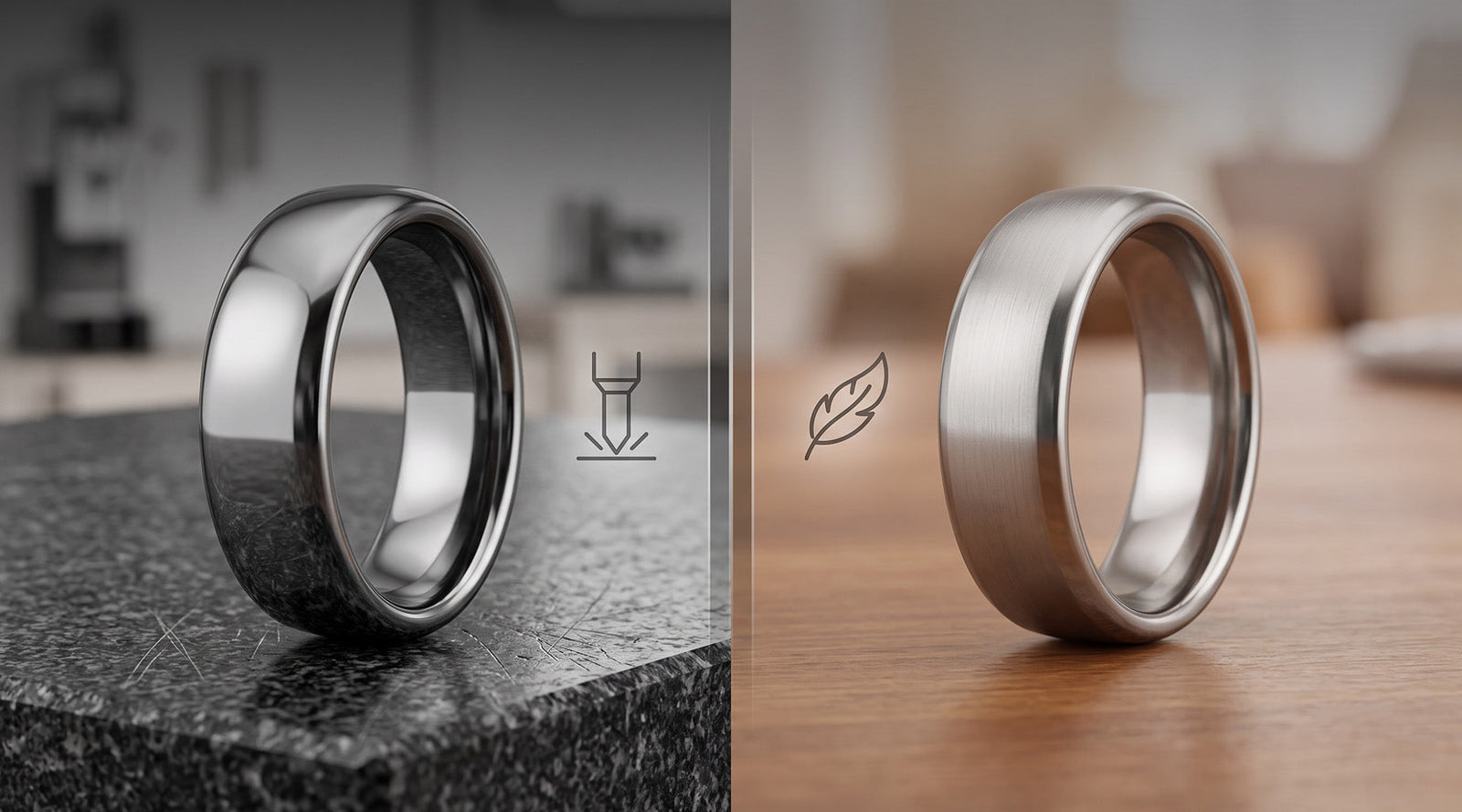

Tungsten vs Titanium Wedding Bands for Everyday Life
A wedding band should feel right at 7am, after a gym session, during a long shift and ten years into married life. When comparing tungsten vs titanium wedding bands, the biggest difference is not the price tag or the colour - it is how the ring feels, wears and fits your day-to-day routine.
Both metals offer a modern alternative to traditional gold, with a confident look and an accessible price. But they suit different hands, styles and priorities. If you want a substantial band that stays polished-looking, tungsten may be your match. If you barely want to notice your ring is there, titanium has a serious advantage.
Tungsten vs Titanium Wedding Bands at a Glance
Tungsten wedding bands are known for their weight, high shine and excellent scratch resistance. They feel solid on the finger and are available in bold widths, black finishes, brushed textures and striking inlay designs. For many people, that satisfying heft is exactly what makes a tungsten ring feel special.
Titanium rings are exceptionally lightweight while still being very strong. They have a clean, contemporary appearance and are ideal for anyone who finds heavier jewellery distracting. Titanium is also a popular choice for active lifestyles, frequent travellers and people who work with their hands.
Neither is automatically the better wedding band. The right choice comes down to whether you value weight and surface durability, or feather-light comfort and flexibility of wear.
Weight: Do You Want a Solid Feel or Barely-There Comfort?
This is usually the deciding factor.
Tungsten carbide is noticeably weightier than titanium. Put a tungsten band on for the first time and you will feel it. That can be a positive: plenty of couples love the premium, reassuring presence of a substantial ring. A wider tungsten band can feel particularly bold and masculine without needing a high price point.
Titanium, on the other hand, is remarkably light. It is an excellent option if you have never worn a ring before, dislike the feeling of jewellery, or want a band you can wear from work to weekends without thinking about it. A broad titanium ring can still make a strong style statement, but it will not feel heavy on your hand.
Try to think beyond the first five minutes. A weighty ring can feel impressive when you unbox it, while a lightweight ring can become a favourite because it disappears into your routine. If possible, use a ring sizer and consider the width you normally find comfortable before committing.
Durability: Scratch Resistance Is Not the Same as Indestructible
Tungsten has a well-earned reputation for standing up to daily wear. It is much harder than titanium and highly resistant to surface scratching. If you want a crisp polished finish or a dark, sleek band that continues to look smart through everyday knocks, tungsten is a compelling choice.
That hardness has a trade-off. Tungsten is more brittle than titanium. It is unlikely to bend, but a severe impact can cause it to crack or chip. That is rare in normal use, yet it matters if your work or hobbies involve heavy tools, hard surfaces or high-impact activity.
Titanium is softer than tungsten, so it can pick up fine scratches over time. These marks often create a lived-in, matte character rather than making the ring look worn out. Titanium is also more resilient under impact because it can flex rather than fracture.
For a wearer who wants the best chance of a polished, near-new surface, tungsten has the edge. For someone who needs a tough ring that can handle an active, hands-on life, titanium is a very sensible pick. Neither material makes a ring completely invincible, particularly if it includes wood, opal, ceramic or other decorative inlays.
A note on scratch-proof claims
No wedding band should be treated as truly scratch-proof. Tungsten is exceptionally scratch resistant, but its finish can still be affected by a hard enough impact or abrasive material. Choosing a quality design, removing your ring for demanding jobs and storing it carefully will always help it look its best.
Comfort, Fit and Resizing Matter More Than Most Couples Expect
A wedding band is a daily commitment, so comfort is not a small detail. The best fit should be secure enough that it does not slip off, but easy enough to remove without a struggle. Fingers naturally change size with heat, exercise, salt, weight fluctuations and the seasons.
Titanium is light, which makes it an easy comfort winner for many people. Tungsten can also be very comfortable, especially with a comfort-fit interior that is gently rounded on the inside. Its extra weight is simply more noticeable.
The key point is resizing. Tungsten bands cannot be resized because of their hardness and manufacturing process. Titanium is also difficult to resize and, in many cases, is not practically resizable. If your finger size is likely to change, or you are buying close to a wedding date, get the sizing right before engraving or wearing the ring regularly.
This is where a free ring sizer and hassle-free exchanges remove a lot of stress. It is better to test the fit carefully now than to settle for a band that is slightly too tight every summer.
Style: Which Metal Looks Like You?
Tungsten is made for statement-led wedding band styles. Its weight and density work beautifully with wide profiles, polished edges, faceted details and contrasting inlays. Black tungsten, gunmetal shades, brushed silver looks and wood or opal accents can give you a distinctive ring without moving into traditional luxury pricing.
Titanium tends to have a more understated, technical look. Its natural grey tone works brilliantly with brushed finishes, bevelled edges and minimalist designs. It also suits couples who prefer a modern band that looks sharp without asking for attention.
If you want matching wedding bands, do not assume you both need the same metal. Matching can mean sharing a finish, engraving, inlay colour or design detail while choosing the weight and profile that feels best on each hand. Your rings should tell the same story, not force the same fit.
Consider your lifestyle and workplace
For office work, social plans and standard everyday wear, either metal can be a great choice. For sport, DIY, manual work or jobs where rings may catch on equipment, check your workplace safety guidance and remove your ring whenever required.
If a ring gets stuck in an emergency, tungsten is generally removed by carefully cracking it, while titanium may need specialist cutting equipment. This should not be the only factor in your decision, but it is a practical distinction worth knowing.
Price: Both Deliver Strong Value
Tungsten and titanium are both popular because they look premium without the traditional cost of precious metals. Pricing varies with width, finish, inlay materials, engraving and detailing, but both can offer excellent value for couples balancing a wedding budget.
Tungsten often gives you the visual impact of a heavier, high-polish band for less than you might expect. Titanium delivers high performance at a similarly accessible level, especially for simple, lightweight designs. Instead of focusing only on the cheapest option, look at the complete buying experience: clear sizing support, engraving choices, fast dispatch and a straightforward returns policy all make a difference.
A lower-priced ring that does not fit, arrives late or feels wrong on the hand is not a bargain. The right band should feel like an easy yes.
So, Should You Choose Tungsten or Titanium?
Choose tungsten if you love a heavier ring, want outstanding scratch resistance and are drawn to bold, polished or inlay-led designs. It is a brilliant everyday option for someone who wants their wedding band to have real presence.
Choose titanium if comfort is your number-one priority, you lead an active lifestyle or you prefer a lighter, more minimalist look. It is strong, sleek and easy to wear for people who do not want to feel weighed down by their jewellery.
Whichever you choose, do not rush the fit or treat the material as the whole decision. Consider the width, interior profile, finish and the moments you want the ring to represent. The best wedding band is the one you are excited to put on now - and still happy to reach for every morning.
Also in Articles
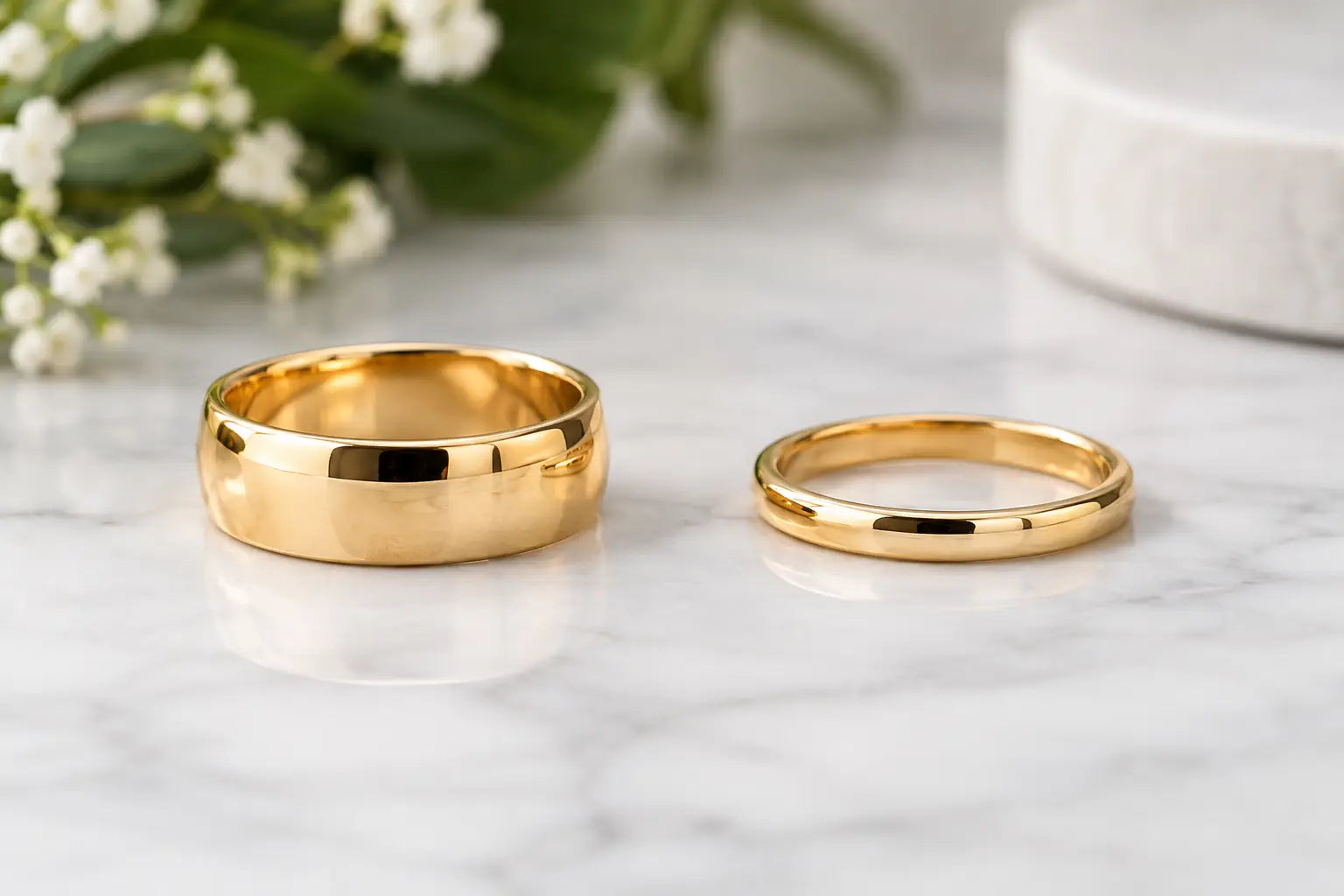

Wide Versus Narrow Bands: Which Ring Suits You?
Choosing wide versus narrow bands? Compare comfort, proportions, durability and style to find a wedding or everyday ring you'll love wearing every day.
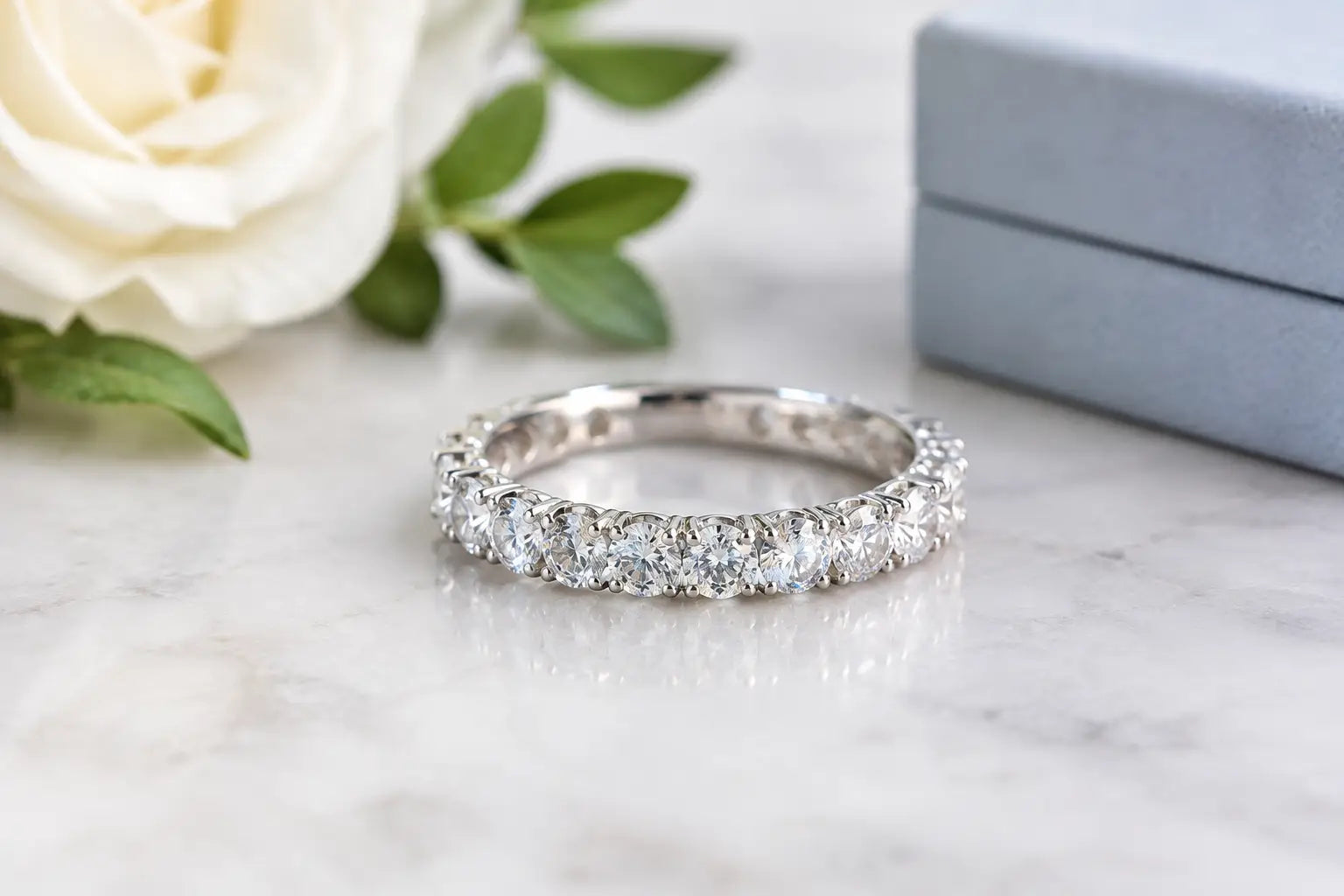

Moissanite Wedding Band Review: Worth It?
Read our moissanite wedding band review for sparkle, durability, sizing and value - plus the details that matter before you choose your forever ring today
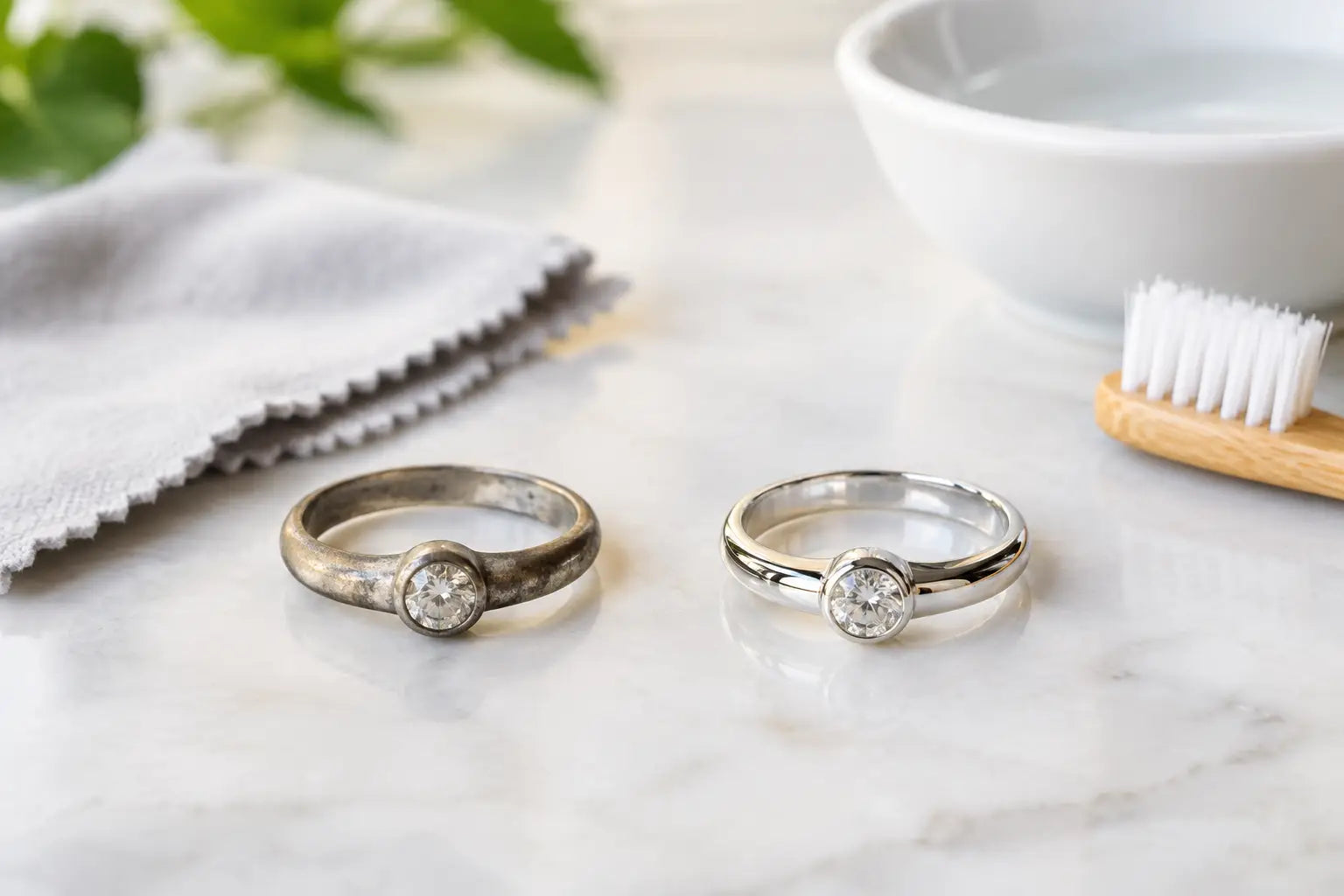

Why Rings Tarnish and How to Keep Them Bright
Wondering why rings tarnish? Learn what causes dullness, which metals need care and simple ways to keep your favourite ring bright for longer, every day.
PayPal Pay Later Messaging
Step 1: Choose message placement
Click the button below and then hover over your page to select a placement.