


How to Prevent Ring Scratches Every Single Day
A fresh ring has that just-unboxed shine: crisp edges, bright polish and every detail exactly where it should be. Then real life happens. You grab your keys, lift weights, cook dinner, carry shopping bags or tackle a DIY job, and suddenly there is a new mark on the band. Knowing how to prevent ring scratches is less about wrapping your jewellery in cotton wool and more about choosing a ring that suits your routine, then giving it a few smart habits.
Scratches are a normal part of wearing a ring you love. Even precious metals can pick up marks over time, especially if you wear your ring every day. The aim is not perfection forever. It is keeping surface wear to a minimum, protecting special finishes and making sure your ring still looks brilliant years from now.
How to Prevent Ring Scratches in Daily Life
The simplest rule is this: if your hands are about to do hard work, take your ring off first. That includes gym sessions, gardening, cleaning, moving furniture, washing up and any job involving tools, weights or rough surfaces. Rings can knock against metal handles, stone worktops and equipment before you even notice it.
It is also worth removing your ring before applying hand cream, fake tan, hair products or cleaning sprays. These products do not always scratch a ring, but they can leave a film that dulls its finish and settles around stones or engraving. A quick rinse may not shift that build-up easily.
Keep a small ring dish in the places where you most often take it off, such as beside the kitchen sink, in the bathroom or on your bedside table. This beats leaving it loose on a windowsill, slipping it into a pocket or balancing it on the edge of the basin. A dedicated spot makes the habit effortless and reduces the chance of a ring being knocked, lost or dropped.
Be careful with stacked rings
Ring stacks look brilliant, whether you are pairing an eternity ring with a wedding band or mixing textures for a more statement-led look. The trade-off is that rings touching side by side can rub together all day. Over time, this can create fine scratches on polished edges and wear on decorative finishes.
Choose stackable styles designed to sit neatly together, and check the fit. Rings that spin or slide around tend to create more friction than rings that sit securely. If one ring has a raised setting, sharp profile or delicate inlay, consider wearing it alone for busy days and saving the full stack for evenings, dates and special occasions.
Choose a Material That Matches Your Lifestyle
Every ring material has its own character. Gold is classic, warm and easy to polish, but it is relatively soft, particularly at higher carats. Silver has a bright, accessible look and can be refinished, although it can show everyday wear. Platinum is naturally durable and develops a soft patina rather than simply losing its character, but it is still not immune to marks.
For shoppers with hands-on jobs, active hobbies or a habit of never taking their ring off, alternative materials can be a very practical choice. Tungsten is known for its hard, weighty feel and strong scratch resistance. Titanium is lightweight, hard-wearing and comfortable for daily wear. Ceramic can offer an ultra-smooth, highly scratch-resistant finish, although it needs protecting from hard impacts because it can chip or crack if dropped.
Wood inlay, opal and other detailed designs need a little more thought. They deliver a standout look, but natural or decorative elements are not the same as a solid metal band. Avoid soaking them, exposing them to harsh chemicals or wearing them during physical work. Think of these rings as the finishing touch to your outfit, not the jewellery you wear to renovate the spare room.
Scratch-resistant does not mean indestructible. It means a material is better equipped to handle the little scuffs of ordinary life. The best choice depends on what you do every day, how your ring feels on your hand and whether you prefer a polished, low-maintenance finish or a material that develops character over time.
Store Rings Separately, Not in a Jewellery Pile
One of the quickest ways to create scratches is letting rings, chains, bracelets and watches tumble around together in one box. Metals rub against each other, stones can mark softer surfaces and clasps can catch on delicate details.
Store each ring in its own soft pouch, lined compartment or original ring box. If you travel, a compact jewellery case with separate sections is far safer than wrapping your ring in tissue and placing it in a wash bag. Never leave rings loose in a handbag, glove box or coat pocket, where they can collide with keys, coins and other hard objects.
This matters even more for rings with polished black finishes, coloured plating or intricate engraving. These designs make a strong style statement, but scratches can be more visible than on a brushed or textured band. A few seconds of careful storage protects the look you chose in the first place.
Clean Your Ring Gently and Often Enough
A ring can look scratched when it is actually just covered in soap residue, skin oils or everyday grime. Regular gentle cleaning restores its sparkle and lets you inspect the surface properly.
For most plain metal rings, use warm water, a small amount of mild washing-up liquid and a very soft cloth. Let the ring soak briefly, wipe it carefully and dry it fully with a lint-free cloth. Do not use toothpaste, baking soda, abrasive powders or stiff brushes. They are often suggested as quick home fixes, but they can create tiny surface scratches or damage special finishes.
Rings with opal, wood, glued stones, enamel or plated detailing should be cleaned more cautiously. Do not soak them unless the care guidance for that specific design says it is safe. Instead, wipe them with a soft, barely damp cloth and dry straight away. When in doubt, gentle is always the better choice.
Polish only when it makes sense
A professional polish can refresh many precious-metal rings and remove light surface wear. But polishing removes a tiny amount of material, so it should not be treated as a monthly reset. Save it for when the ring genuinely needs attention, especially if it has deep marks or a finish that you do not want altered.
Textured, brushed and hammered finishes are designed to disguise minor scuffs beautifully. Highly polished bands show marks more readily, but they also deliver that mirror-like shine many people love. There is no wrong choice - it is simply worth knowing the care commitment before you buy.
Check Fit Before It Causes Extra Wear
A ring that is too loose spins, catches and knocks against surfaces more often. One that is too tight can be difficult to remove when you need to protect it. The right fit should feel secure while still coming off with gentle pressure over the knuckle.
Your fingers can swell in warm weather, after exercise or later in the day, so avoid judging size at one random moment. If you are ordering online, use a proper ring sizer and measure more than once. Rock Solid Rings offers free ring sizers, making it easier to choose confidently before your new ring arrives.
If a ring has suddenly become loose, do not ignore it. A small fit issue can turn into a lost ring or repeated knocks against door handles and work surfaces. Sorting the size early is easier than trying to repair a badly damaged design later.
Know When to Take It Off
There are moments when your ring should stay on, and moments when it is better placed safely in its dish. Remove it before swimming, using chlorine-based products, applying heavy skincare, playing contact sports or working with machinery. Beach days deserve extra care too: cold water can make fingers shrink, and sand is far more abrasive than it looks.
That does not mean your ring belongs in a drawer. The best everyday ring is one you can wear with confidence through ordinary life. Build a routine around the few high-risk moments, choose a material that suits your pace and store it properly when it is off your hand.
A tiny pause before the gym, the washing-up or a weekend project can make all the difference. Your ring is meant to be part of your story - just make sure the marks it collects are the ones you actually want to keep.
Also in Articles
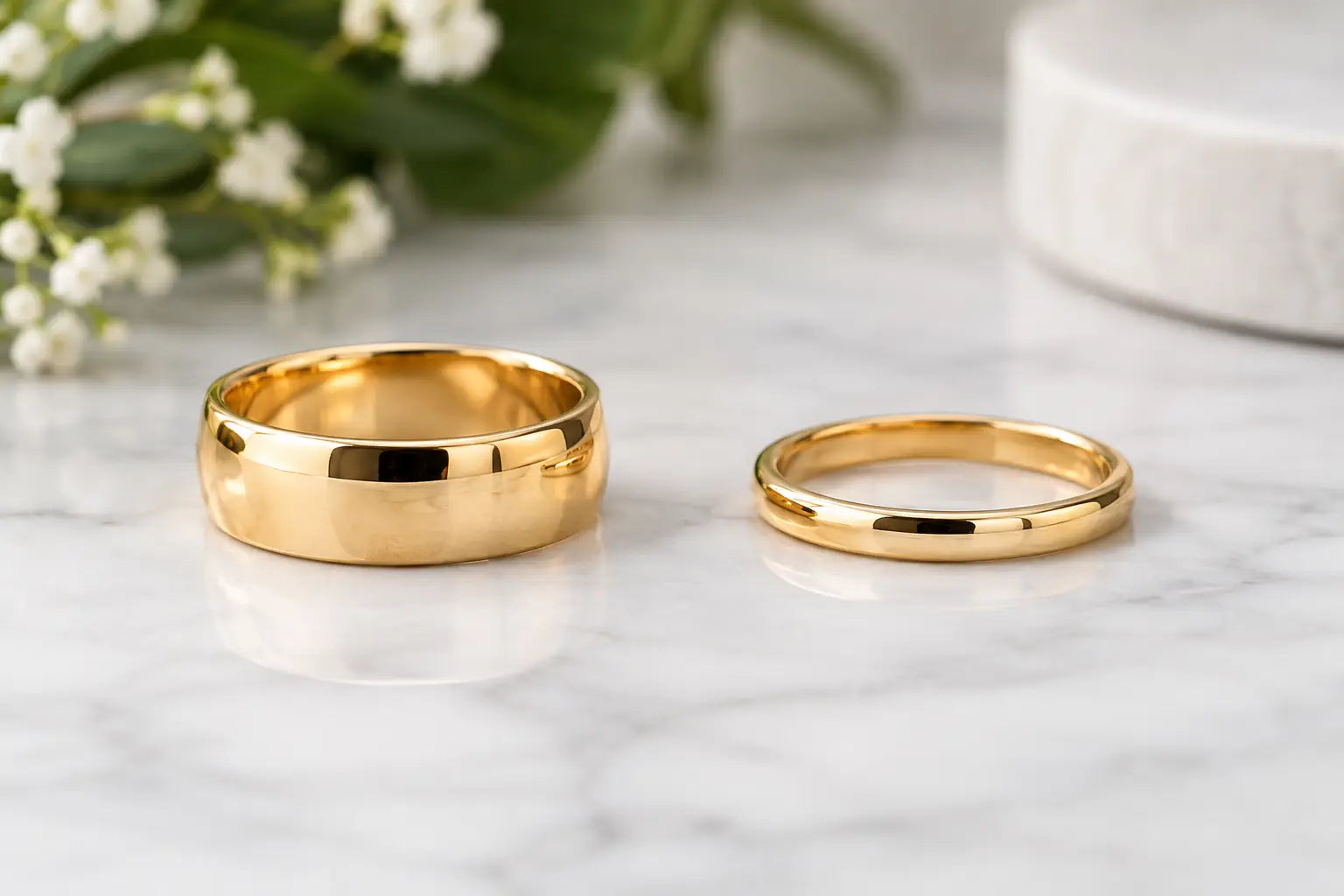

Wide Versus Narrow Bands: Which Ring Suits You?
Choosing wide versus narrow bands? Compare comfort, proportions, durability and style to find a wedding or everyday ring you'll love wearing every day.
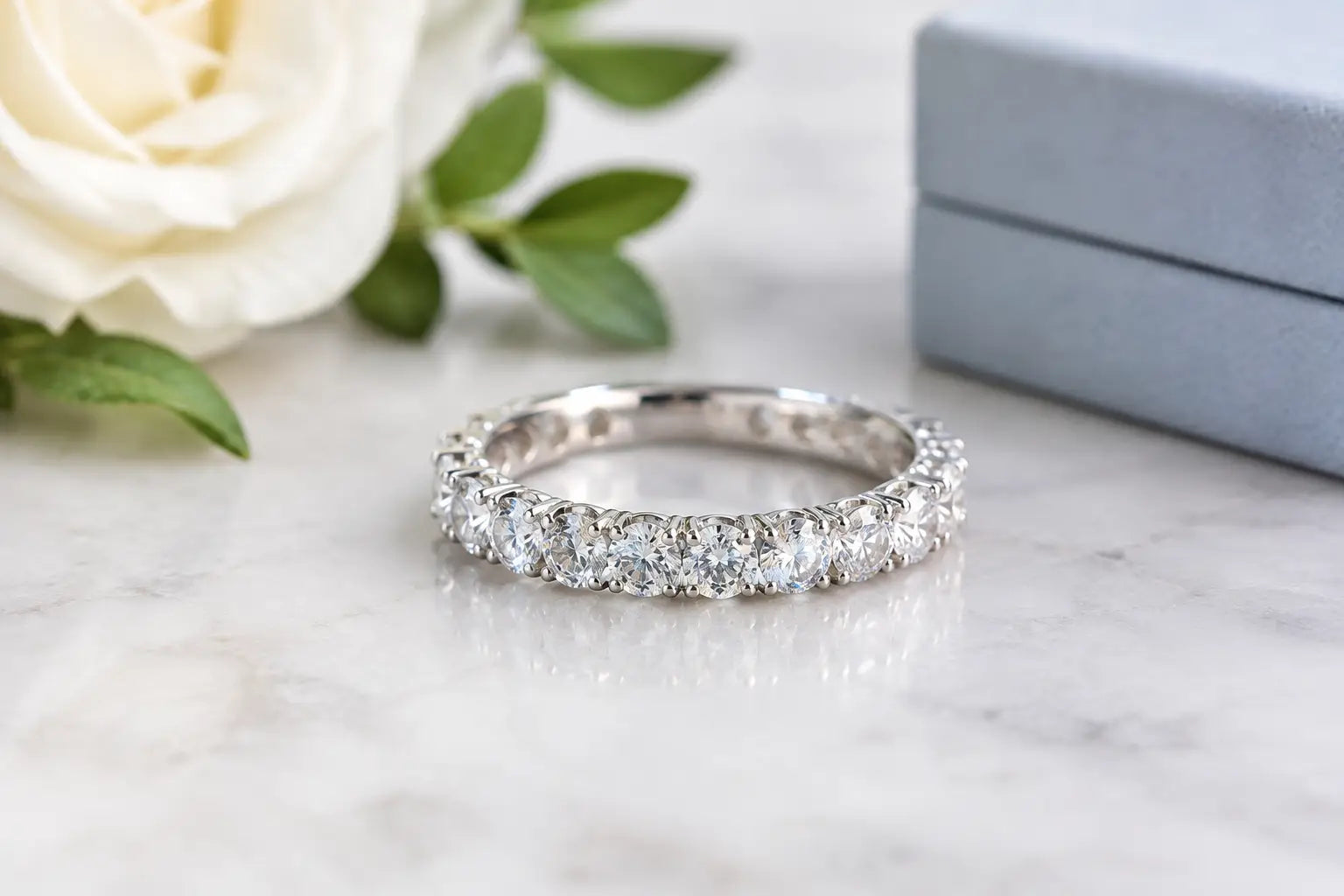

Moissanite Wedding Band Review: Worth It?
Read our moissanite wedding band review for sparkle, durability, sizing and value - plus the details that matter before you choose your forever ring today
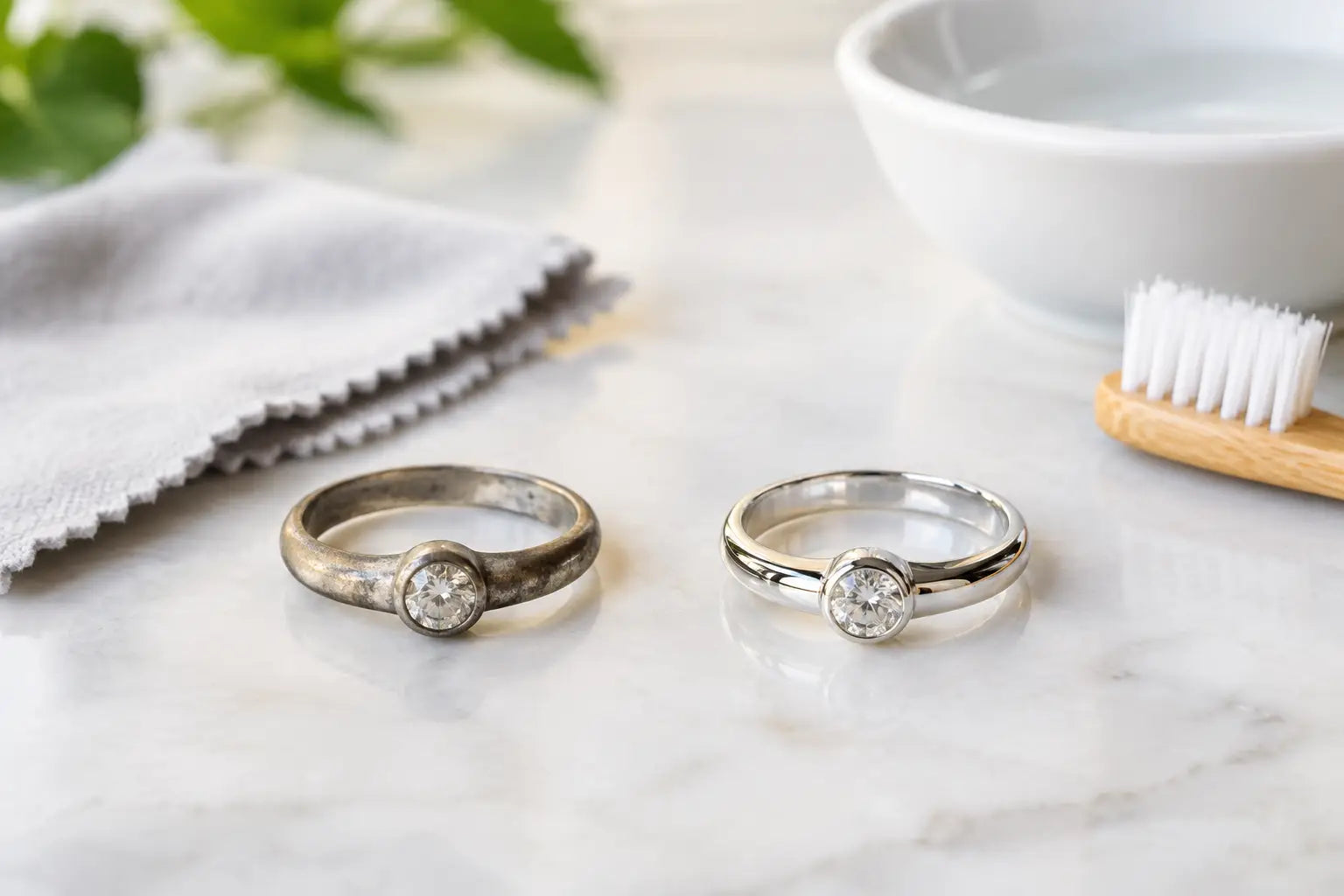

Why Rings Tarnish and How to Keep Them Bright
Wondering why rings tarnish? Learn what causes dullness, which metals need care and simple ways to keep your favourite ring bright for longer, every day.
PayPal Pay Later Messaging
Step 1: Choose message placement
Click the button below and then hover over your page to select a placement.