


Why Rings Tarnish and How to Keep Them Bright
That lovely new-ring shine can disappear faster than expected - sometimes after a busy week of hand cream, washing up, workouts and everyday wear. If you are wondering why rings tarnish, the short answer is that the metal is reacting with its surroundings. The reassuring answer is that tarnish is usually cosmetic, common and very manageable.
A ring does not have to be poor quality to lose a little lustre. The right care depends on what it is made from, how it is finished and how you wear it. Knowing the difference helps you choose a ring you will love wearing, rather than worrying every time it needs a polish.
Why rings tarnish in the first place
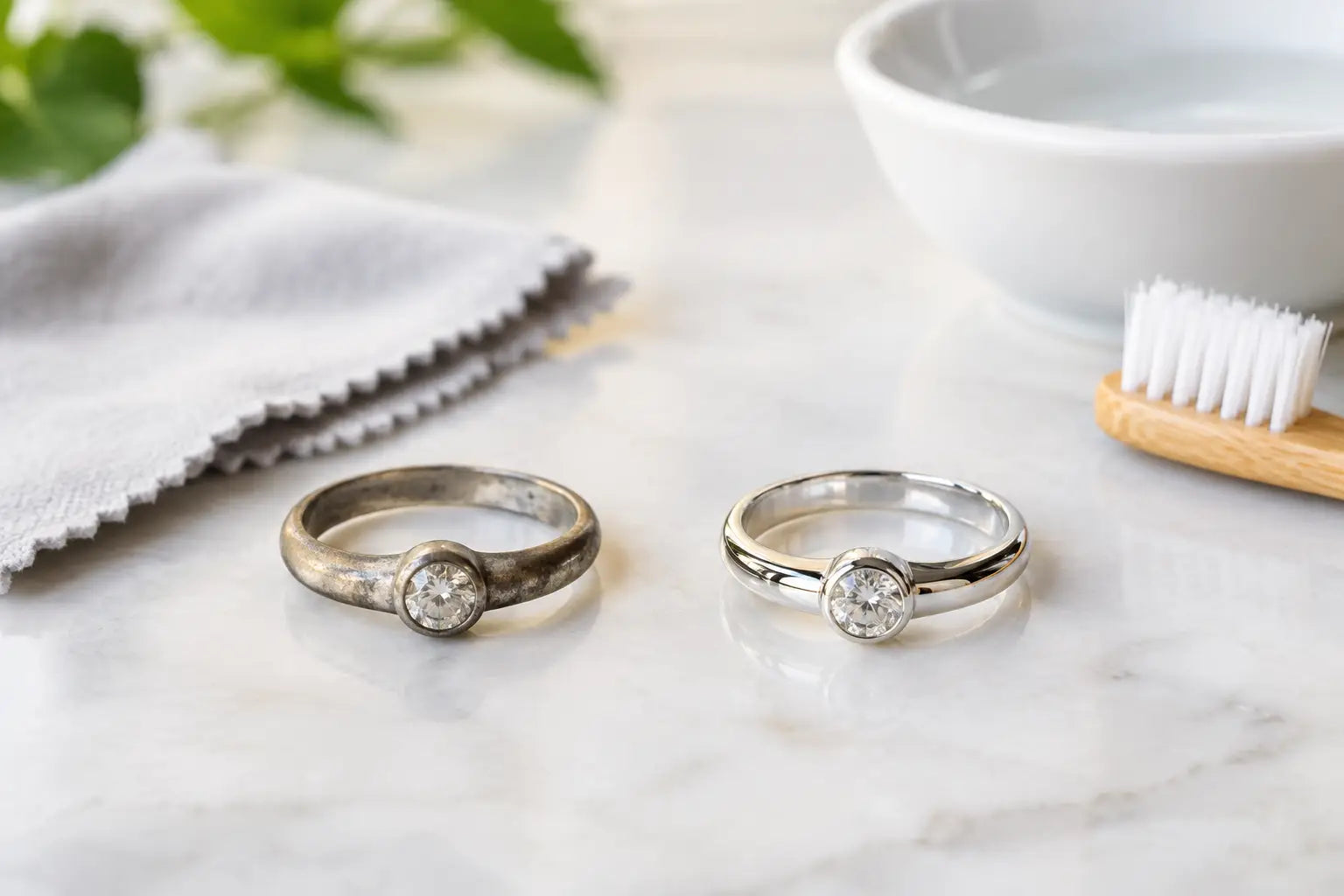
Tarnish is a thin layer that forms on the surface of certain metals when they react with oxygen, moisture, sulphur compounds or chemicals. It can look yellowish, grey, brown, black or slightly rainbow-toned, depending on the metal and what it has come into contact with.
Sterling silver is the classic example. Silver naturally reacts with sulphur in the air, producing a darker surface over time. That does not mean the silver is ruined. In fact, it is a normal characteristic of genuine silver and can often be lifted with the right cleaning method.
Copper and brass are also prone to oxidation. Their warm colour can deepen or darken, and copper may leave a greenish mark on skin for some wearers. This is harmless for most people, but it can be annoying if you want a clean, bright finish every day.
Gold itself is highly resistant to tarnishing, especially at higher purities. But most everyday gold rings are alloys, meaning gold is mixed with other metals for strength and colour. Those added metals can react over time. Lower-carat gold generally contains more alloy metal, so it may need more regular care than higher-carat gold.
Gold-plated and gold vermeil rings have another consideration: the outer gold layer can gradually wear away, especially on a ring that is worn every day. Once the base metal is more exposed, dullness and discolouration can become more noticeable. That is wear rather than traditional tarnish, but it is often what shoppers mean when they say their ring has changed colour.
The everyday triggers hiding in your routine
Your hands meet more products than you may realise. Soap, hand sanitiser, moisturiser, perfume, hair products, sun cream, cleaning sprays and chlorine can all leave a film on a ring or speed up surface reactions. Hard water can also create a cloudy coating that makes gemstones and polished metal look less brilliant.
Sweat matters too. Everyone's skin chemistry is different, and factors such as natural skin oils, medication, diet, humidity and activity levels can affect how jewellery wears. One person may wear the same sterling silver ring for months with no visible change, while another finds it dulls quickly. Neither ring is necessarily at fault.
Then there is friction. Rings take more knocks than necklaces and earrings because they are constantly touching desks, steering wheels, gym equipment, bags and kitchen surfaces. Scratches scatter light instead of reflecting it cleanly, which can make a ring appear dull even when it has not technically tarnished.
This is why a ring marketed as scratch-resistant is not the same as a ring that will never mark, fade or need cleaning. Durable materials and protective finishes are brilliant for busy lives, but no jewellery is completely immune to daily wear. The smartest choice is one that suits how you actually live.
Which ring metals need the most care?
Sterling silver usually needs the most polishing, particularly if it sits unworn in a humid bathroom or jewellery box for long periods. The good news is that it responds well to gentle care and is easy to revive.
Gold, platinum and stainless steel are generally lower-maintenance options. Platinum develops a soft patina rather than traditional tarnish, which some people love for its lived-in character. Stainless steel is popular for everyday rings because it resists corrosion well, although it can still collect residue and scratches.
Titanium and tungsten are also strong contenders for practical everyday wear. Tungsten is especially resistant to scratching, while titanium is impressively lightweight. Their trade-off is that resizing can be difficult or impossible, so getting the fit right before you buy matters. A free ring sizer is more useful than it sounds when comfort is part of the decision.
Rings with opal, wood inlay or intricate settings deserve a little extra attention. Their beauty is in the detail, but harsh cleaners, soaking and rough treatment can damage delicate materials or loosen trapped residue. For these designs, gentle cleaning and sensible storage beat aggressive polishing every time.
How to stop rings tarnishing so quickly
You do not need a complicated jewellery-care ritual. Small habits make the biggest difference. Take rings off before swimming, showering, cleaning, applying lotions or using hand sanitiser repeatedly. If that feels unrealistic, simply give the ring a quick wipe with a soft, dry cloth at the end of the day.
Store rings separately when you are not wearing them. A soft pouch or lined compartment prevents them rubbing against other jewellery and reduces exposure to moisture. For sterling silver, an anti-tarnish strip in the storage box can help slow down oxidation. Keep jewellery away from direct sunlight and avoid leaving it on a windowsill or beside a radiator.
Put rings on last when getting ready. Cosmetics, fragrance and hair spray should settle before your jewellery goes on. It is a small change, but it prevents a surprising amount of residue from building up around stones, engravings and settings.
If your ring is sentimental or an everyday wedding band, consider having a simple routine: check the setting occasionally, clean it gently, and take it off for jobs that involve heavy lifting or chemicals. A few seconds of care protects the finish and keeps the piece looking ready for every photo, dinner date and special occasion.
The safest way to clean a tarnished ring
Start gently. For many metal rings, lukewarm water, a small amount of mild washing-up liquid and a very soft cloth are enough to remove oils and surface grime. Dry thoroughly afterwards, including around any setting. Moisture left behind can encourage further tarnish on susceptible metals.
For plain sterling silver, a dedicated silver polishing cloth can restore shine quickly. Use light pressure, particularly on engraved areas or plated pieces. Do not use abrasive toothpaste, rough brushes or random household hacks. They can leave fine scratches, strip plating and create more work later.
Be cautious with ultrasonic cleaners and strong jewellery dips. They may be suitable for some solid-metal pieces, but they are not a universal solution. Opals, pearls, wood inlays, glued settings, plated finishes and certain treated stones can be damaged by heat, vibration or harsh chemicals. If you are unsure, a soft cloth and mild cleaning are the safe starting point.
A professional jeweller is worth considering if a ring has deep scratches, loose stones, persistent discolouration or plating that has visibly worn through. Polishing can refresh solid metal, while replating may restore the look of a plated ring. It depends on the ring's construction and the result you want, so honest advice matters more than a one-size-fits-all fix.
Tarnish does not mean your ring has lost its magic
A little dullness is part of wearing jewellery that is actually loved, not hidden away. The key is choosing a metal and finish that match your lifestyle, then giving it the kind of care it deserves. Whether you prefer a polished wedding band, a bold opal statement piece or a personalised ring made for gifting, a clean, well-stored ring will keep its moment for much longer.
When you buy from Rock Solid Rings, choosing a style you genuinely want to wear is the fun part. Keeping it bright is simply a few good habits - and a soft cloth - away.
Also in Articles

Wide Versus Narrow Bands: Which Ring Suits You?
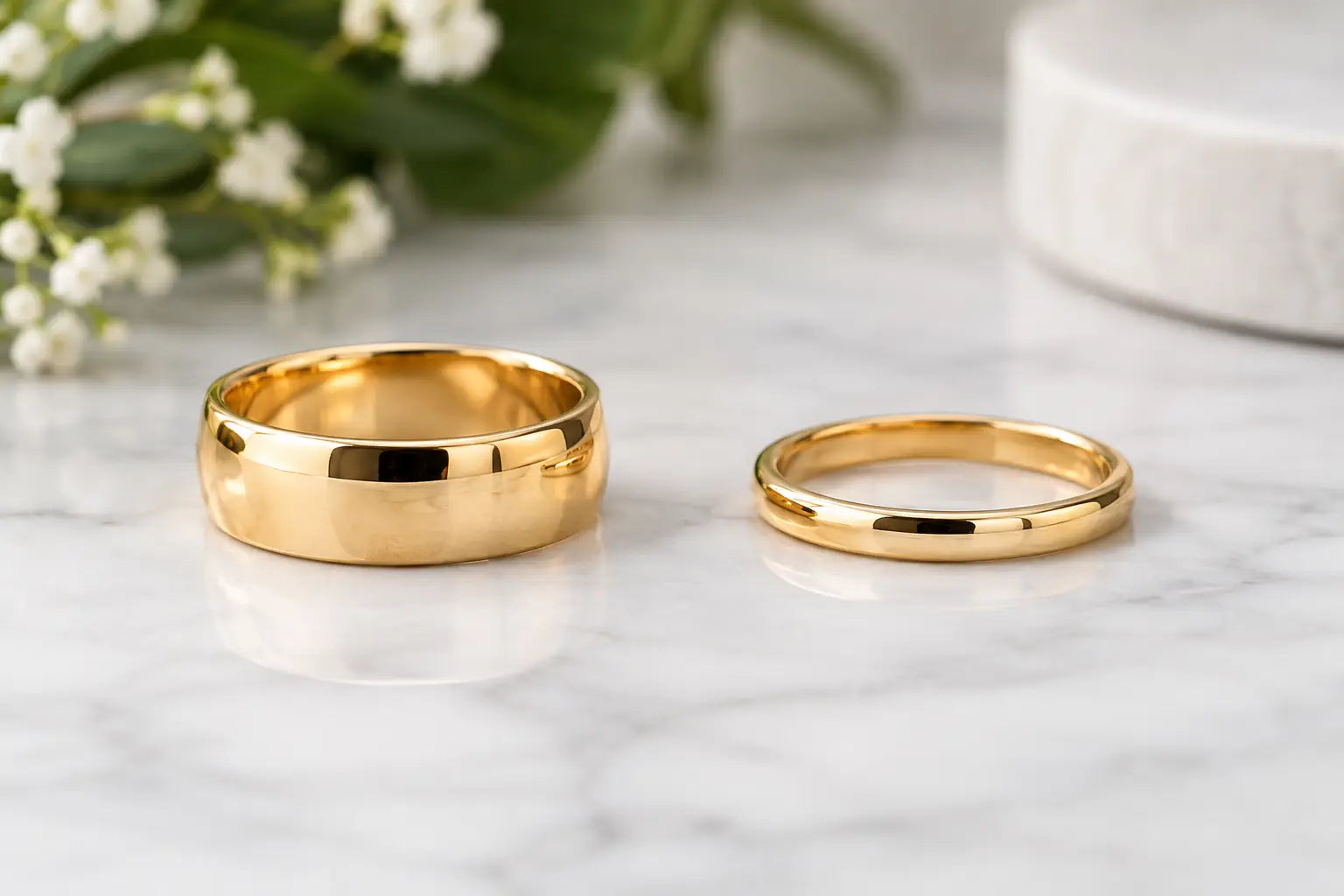
Choosing wide versus narrow bands? Compare comfort, proportions, durability and style to find a wedding or everyday ring you'll love wearing every day.

Moissanite Wedding Band Review: Worth It?
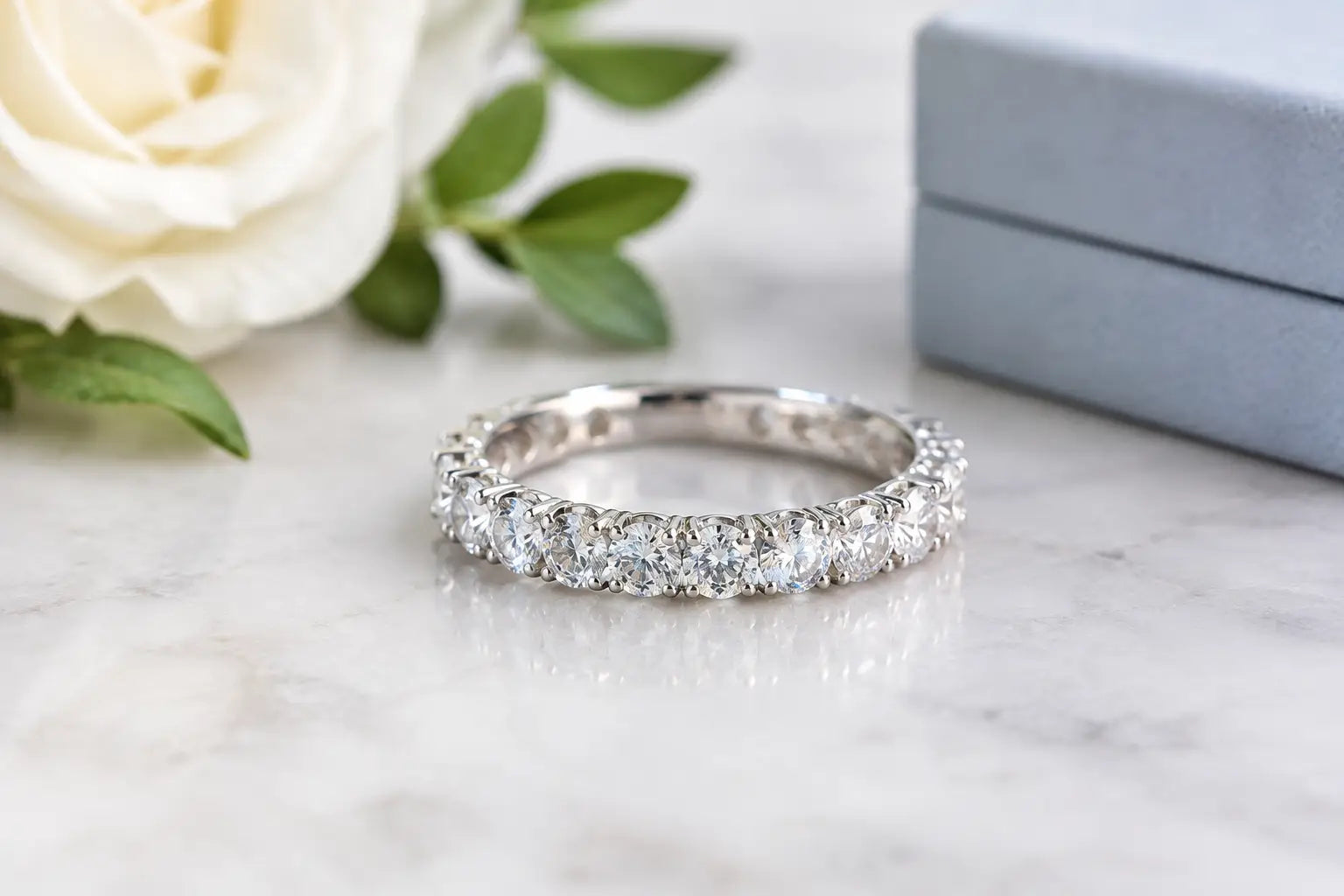
Read our moissanite wedding band review for sparkle, durability, sizing and value - plus the details that matter before you choose your forever ring today


Wedding Rings That Look Great and Feel Right
Find wedding rings that feel personal, fit beautifully and suit real life, from timeless metal bands to opal, wood inlay and engraved styles for couples.
PayPal Pay Later Messaging
Step 1: Choose message placement
Click the button below and then hover over your page to select a placement.