


Wide Versus Narrow Bands: Which Ring Suits You?
A ring can look completely different with just a few millimetres added or taken away. That is why the choice between wide versus narrow bands matters far more than most shoppers expect. Whether you are choosing a wedding ring, an anniversary gift or a new everyday statement piece, the band width affects comfort, fit, durability and the way the ring looks on your hand.
The right answer is not simply wide or narrow. It is the width that suits your style, your finger shape and the life your ring needs to handle. Here is how to choose with confidence.
Wide Versus Narrow Bands: The Main Difference
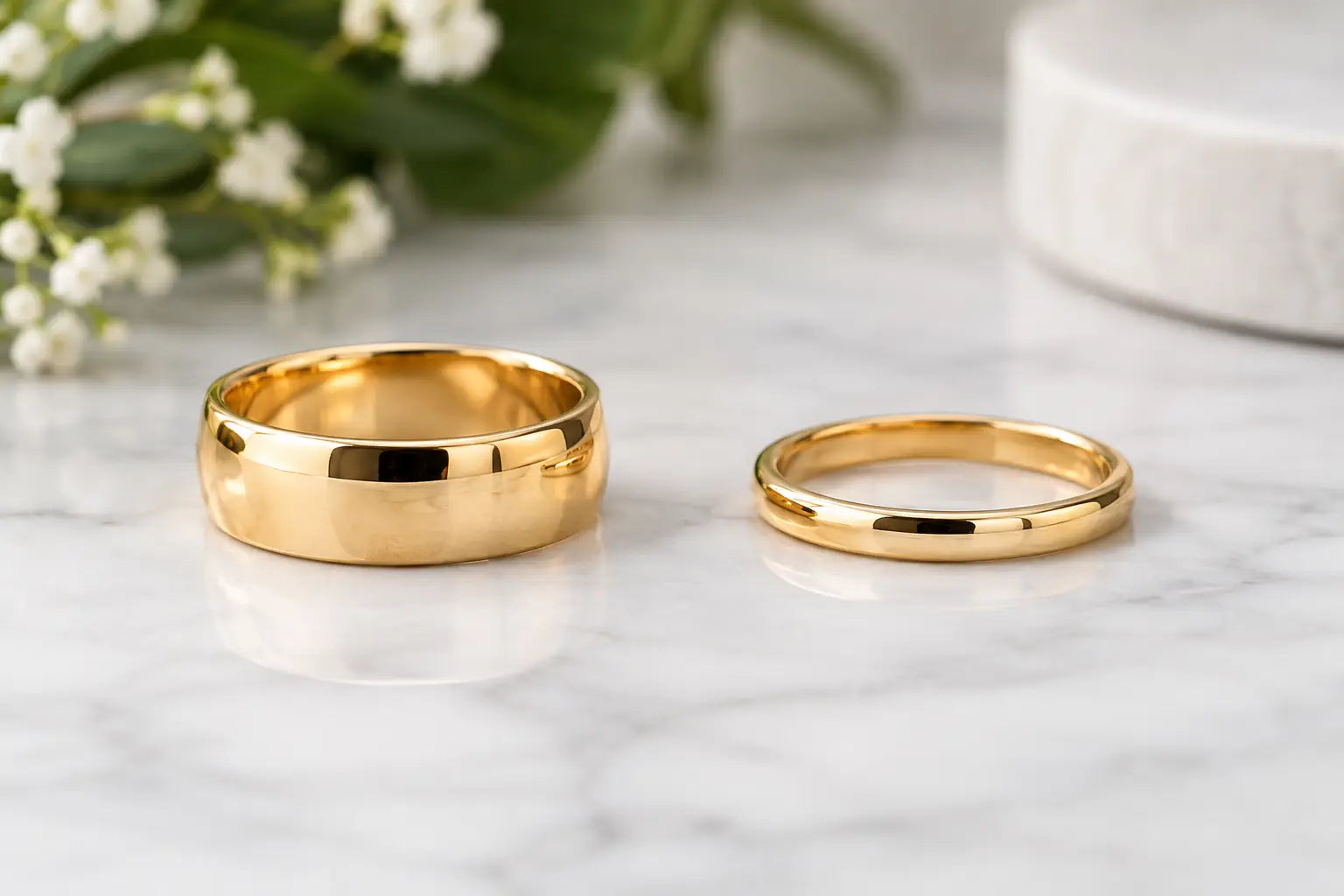
Band width is measured across the top of the ring, usually in millimetres. Narrow bands commonly sit around 2mm to 4mm, while wider designs are often 6mm to 10mm or more. A few millimetres may sound small, but on your hand it creates a dramatic change.
Narrow bands tend to feel refined, light and understated. They are a natural choice for delicate engagement-ring pairings, slim stacking looks and anyone who prefers jewellery that is noticeable without taking over an outfit. They can also make a ring finger appear longer, particularly when paired with an oval, pear or marquise-shaped stone.
Wide bands bring more presence. They give you a bolder block of colour, texture or detail, which makes them ideal for wood inlays, opal inlays, engraved messages and distinctive double-inlay designs. A wider wedding band can look especially strong on larger hands, but anyone can wear one if the fit and proportions feel right.
Comfort Comes First, Especially for Everyday Rings
Your ring should feel special, not distracting. A narrow band usually has less contact with the finger, so it can feel lighter and easier to forget you are wearing. This is a big plus if you are new to rings, work at a keyboard all day or want a piece you can stack with others.
A wider band covers more of the finger and can feel snugger in the same size. This does not mean wide rings are uncomfortable. It simply means accurate sizing matters more. The wider the band, the more resistance you may feel as it passes over the knuckle.
Comfort-fit bands are a smart option for wider styles. Their gently rounded inner surface reduces the amount of metal pressing against your finger, helping the ring slide on more smoothly. If you are buying a 7mm, 8mm or wider wedding ring, try a proper ring sizer before ordering rather than guessing from an old ring.
Temperature also changes how any ring feels. Fingers can swell after exercise, during warm weather or after a salty meal. If you are between sizes, a wider band may benefit from a slightly roomier fit, while a slim band should still sit securely enough not to spin or slip off.
Choose a Width That Flatters Your Hand
There are no rules that say certain hands can only wear certain bands. Personal style wins every time. Still, proportions can make choosing easier when you are comparing styles online.
If you have slender fingers or smaller hands, a 2mm to 4mm band often looks balanced and elegant. It leaves more visible space on the finger, which keeps the overall look light. A narrow eternity ring, personalised band or finely detailed moissanite ring can deliver plenty of sparkle without feeling oversized.
If your fingers are broader, longer or more prominent, a 5mm to 8mm band may look more in proportion. Wider rings create a confident, deliberate finish and allow details such as hammered textures, brushed centres, colourful opal or natural wood to stand out properly.
Finger length is worth considering too. A broad band can shorten the appearance of very short fingers because it covers more vertical space. In that case, a medium-width ring around 4mm to 6mm may offer the best of both worlds: enough presence to make an impact, with a more open look.
The simplest test is visual. Cut paper strips in a few widths, wrap them loosely around your finger and look at your hand from a normal distance. It is not a replacement for trying a real ring, but it quickly shows whether you are drawn to a subtle line or a bolder silhouette.
Pairing a Wedding Band With an Engagement Ring
When a wedding band will sit beside an engagement ring, balance becomes the priority. A slim engagement-ring shank often pairs beautifully with a 2mm or 3mm wedding band, especially if you want the two rings to sit neatly together. Matching widths can create a clean, classic set.
That said, matching is not mandatory. A narrow diamond or moissanite eternity band next to a slightly wider plain wedding ring creates contrast without looking mismatched. Equally, a substantial engagement ring can hold its own beside a 5mm or 6mm band if you prefer a more modern, statement-led stack.
Check the profile as well as the width. If the engagement ring has a low setting or a prominent centre stone, a shaped or contoured band may be needed to avoid a gap. If you love the look of a gap, that is a style choice too, but it is best to make it intentional.
Think About Detail, Materials and Durability
Wide bands provide more room for personality. They are a brilliant canvas for engraved names, dates and private messages. They also allow inlay materials to be seen properly. A slim strip of opal can be beautifully subtle, while a wider opal inlay brings rich flashes of colour that turn a simple band into the focal point of your look.
Wood inlay rings are another strong contender for wider widths. The extra surface area helps reveal the grain and character of the material, making every ring feel distinctive. A broad ring can also support contrasting finishes, such as polished edges with a brushed centre, without making the design feel busy.
Narrow bands are not less durable by default, but they have less material overall. If your job, hobbies or day-to-day routine are hands-on, look for a hard-wearing material and a profile designed for daily use. Scratch-resistant rings are a practical choice for people who want a polished look without worrying over every mark.
For wedding bands, consider what you will realistically wear for years rather than what only looks good in a product photo. A highly detailed 8mm band may be exactly right for someone who loves bold accessories. For someone who never wears jewellery, a comfortable 3mm or 4mm design may become a much better long-term favourite.
Your Style Should Make the Final Call
Choose a narrow band if you want a classic, delicate look, plan to stack rings, or prefer a light feel on your hand. It is also a strong choice for sentimental gifting, where a small engraving or a line of stones adds meaning without overwhelming the design.
Choose a wide band if you want your ring to be noticed. It suits bold styling, textured finishes, colourful inlays and designs with a story to tell. Wider bands are particularly popular as men's wedding rings, but there is nothing gendered about wanting a ring with presence.
A medium width, usually around 4mm to 6mm, is the easy middle ground. It offers more impact than a slim band while remaining versatile enough for work, weekends and special occasions. If you are torn between two widths, this category is often where shoppers find their answer.
Do Not Guess Your Size From Another Ring
A 4mm ring and an 8mm ring can require different sizes, even if they are worn on the same finger. This is one of the most common surprises when comparing wide versus narrow bands online. Measure the intended finger, not a different hand or finger, and measure at a few times of day if possible.
At Rock Solid Rings, a free ring sizer makes it easier to check before you commit. That little bit of preparation is particularly worthwhile for wedding rings, engraved designs and pieces needed for a date that cannot move. If the fit is not quite right, a straightforward exchange policy removes much of the pressure from buying online.
The best ring width is the one you will reach for without thinking: comfortable enough for ordinary days, meaningful enough for milestone moments, and stylish enough to make you smile whenever you catch it in the light.
Also in Articles
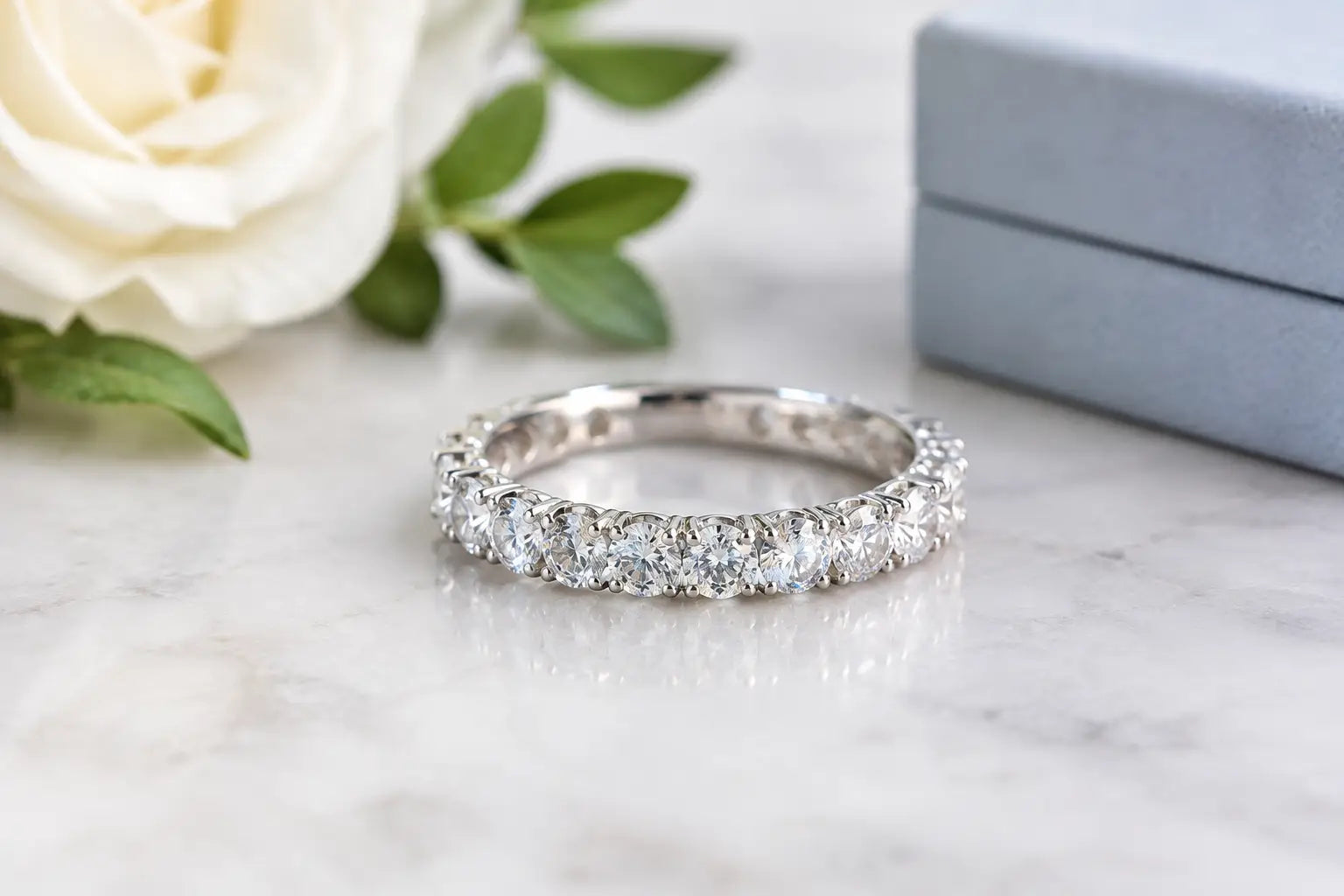

Moissanite Wedding Band Review: Worth It?
Read our moissanite wedding band review for sparkle, durability, sizing and value - plus the details that matter before you choose your forever ring today
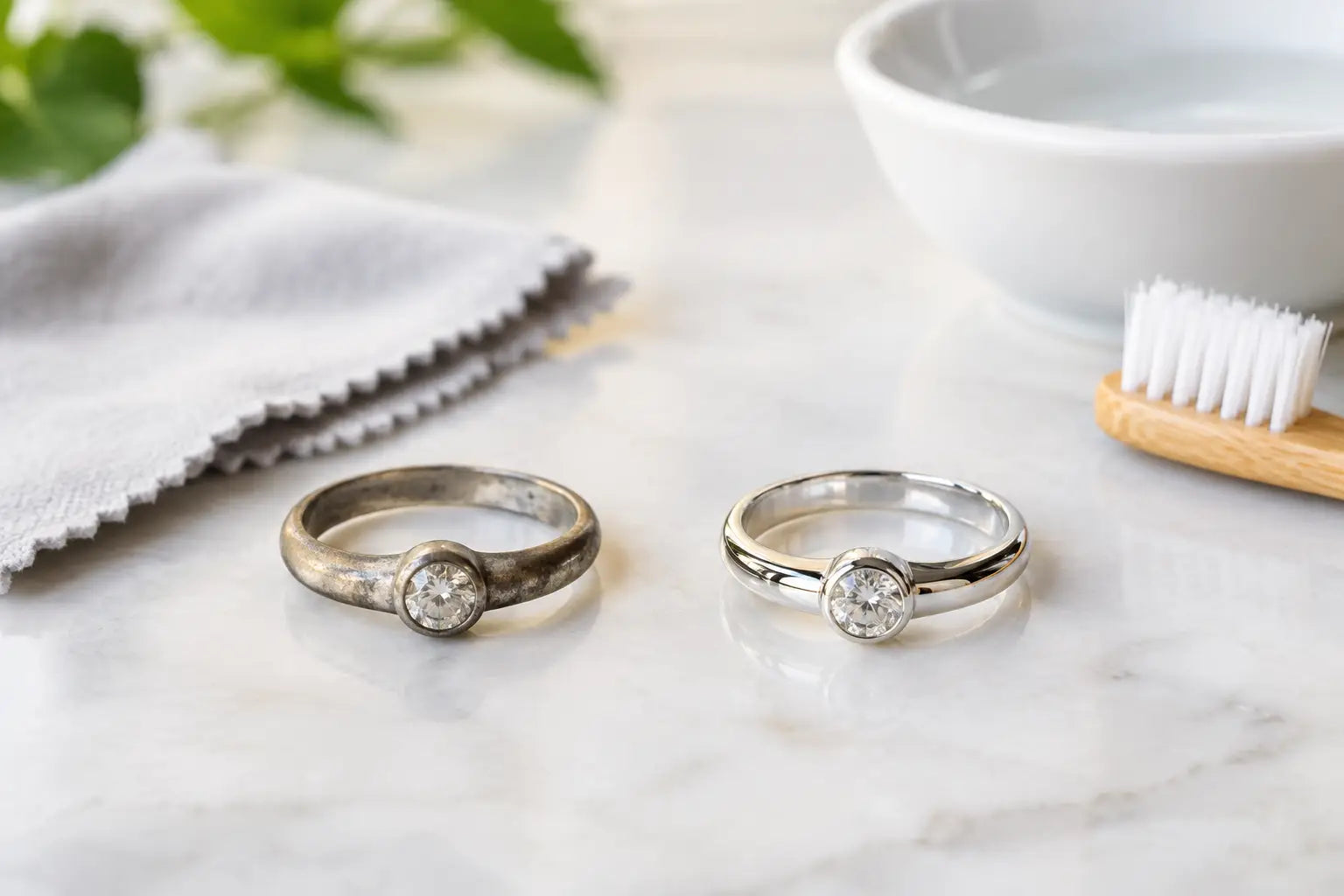

Why Rings Tarnish and How to Keep Them Bright
Wondering why rings tarnish? Learn what causes dullness, which metals need care and simple ways to keep your favourite ring bright for longer, every day.


Wedding Rings That Look Great and Feel Right
Find wedding rings that feel personal, fit beautifully and suit real life, from timeless metal bands to opal, wood inlay and engraved styles for couples.
PayPal Pay Later Messaging
Step 1: Choose message placement
Click the button below and then hover over your page to select a placement.